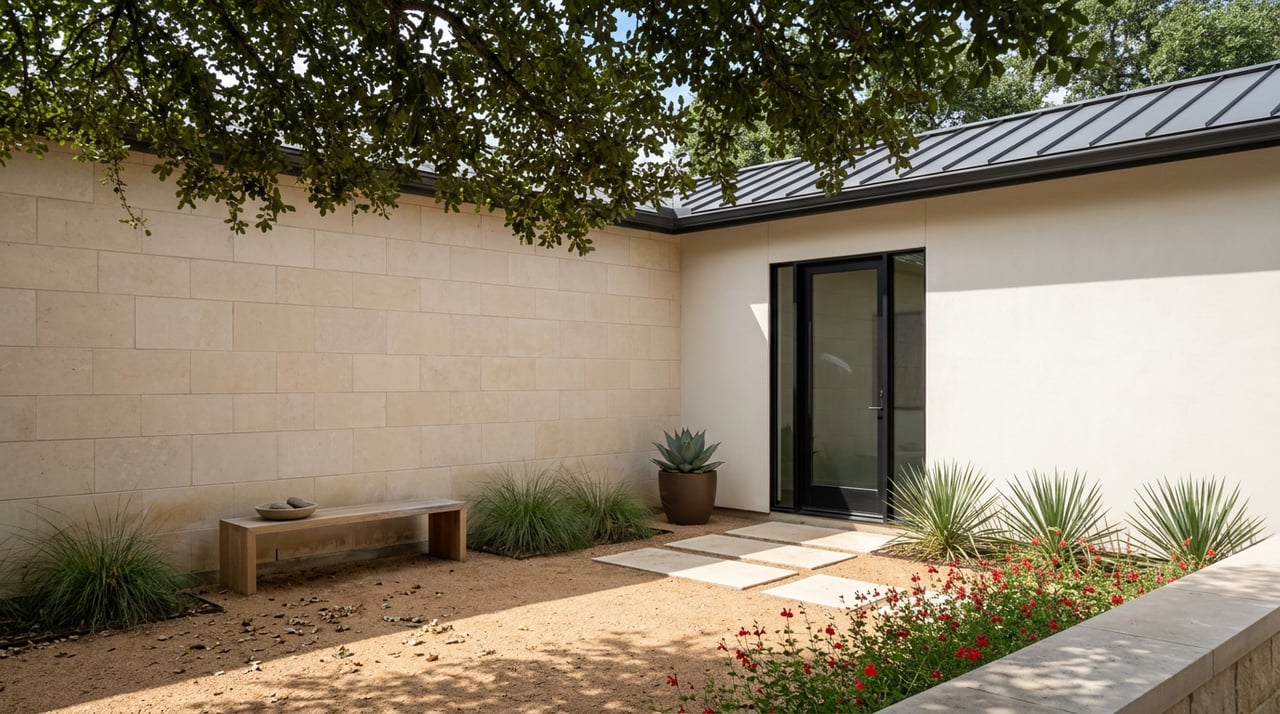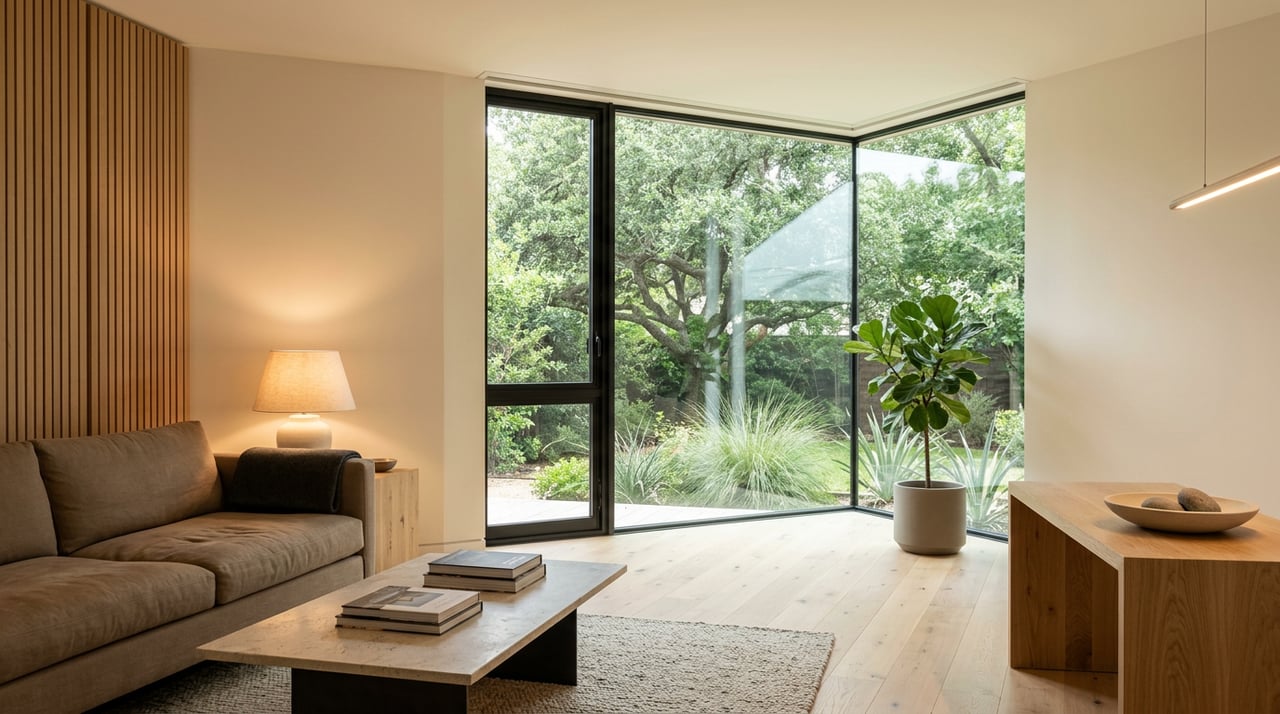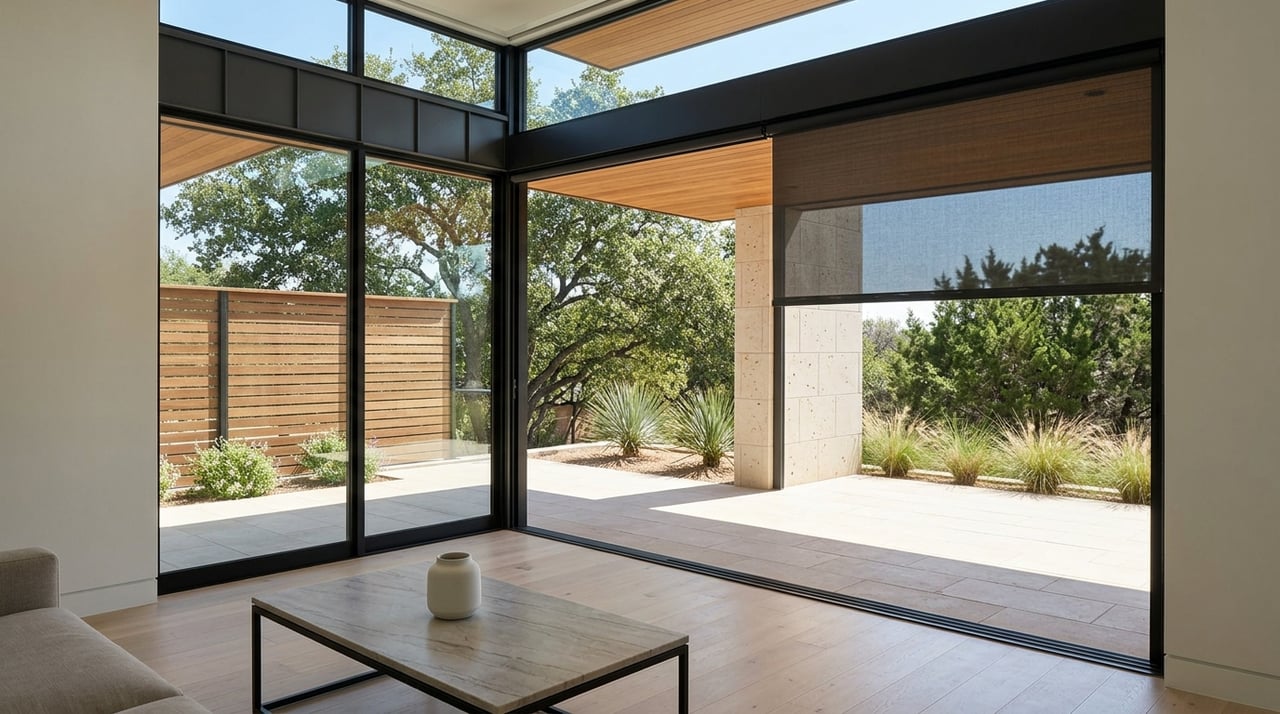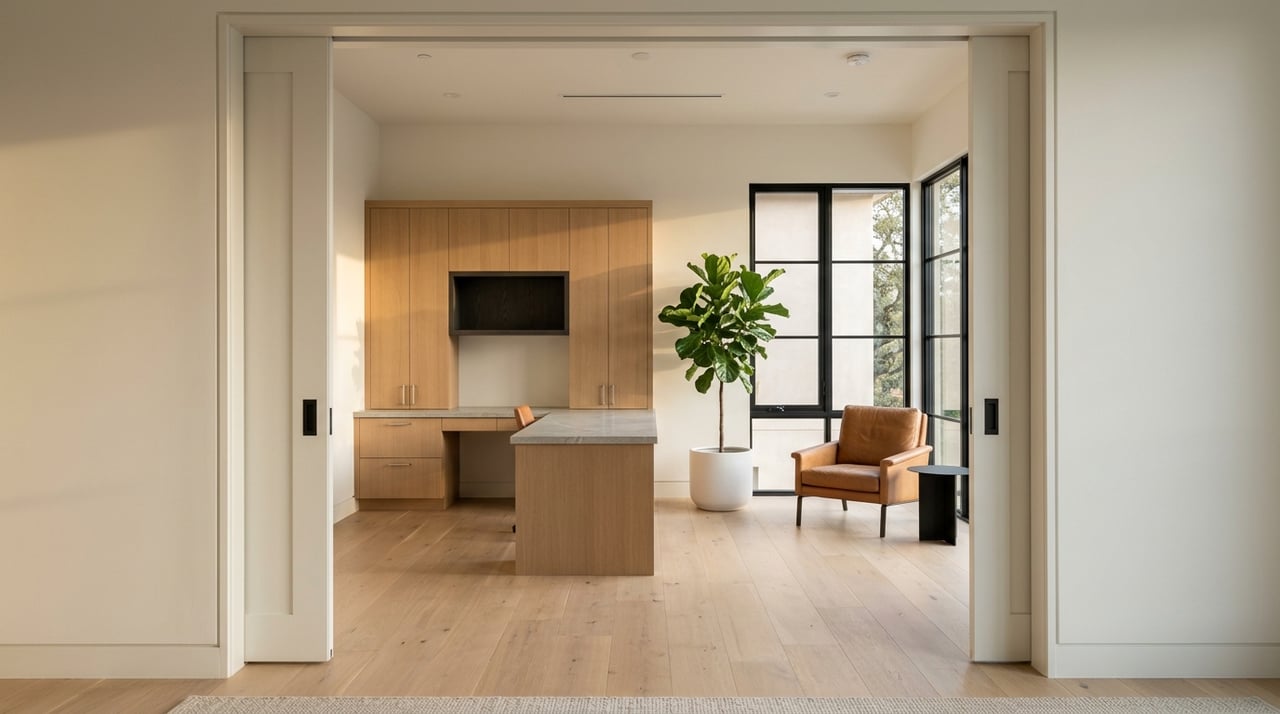
Thinking about buying in San Marcos for the long haul? In a market shaped by steady growth, a major university, and fast-changing development patterns, long-term potential is about more than finding a home you like today. You also need to understand how the property fits the city’s future, what it may cost to own over time, and how well it can appeal to future buyers. Let’s dive in.
Why San Marcos draws long-term buyers
San Marcos is not just a pass-through market between Austin and San Antonio. It is a growing city with its own momentum, supported by location, amenities, and a strong local demand base.
The U.S. Census Bureau estimates San Marcos had 77,830 residents as of July 1, 2025, which is a 14.9% increase from the 2020 census base. That kind of growth matters because it can support housing demand over time, especially when paired with a city that is actively planning for future infrastructure, land use, and transportation.
Texas State University is another major factor. The university reported 44,596 students for fall 2025, and city materials connect local growth to both the university and the I-35 corridor. For you as a buyer, that helps explain why homes with broad appeal and practical access often have stronger long-term resilience than homes that depend on a very narrow use case.
What long-term potential really means
A home with long-term potential usually works well in two ways. First, it fits your life now without creating unnecessary ownership headaches. Second, it has features and a location that can still make sense to a future buyer years from now.
In San Marcos, that often means looking beyond finishes and staging. You want to evaluate how the home lives, how it was built, what the surrounding area may become, and whether carrying costs could strain the value equation over time.
For many buyers, the strongest candidates combine several traits:
- Convenient access to daily destinations
- A flexible floor plan
- Lower-maintenance materials and systems
- Verified permit and renovation history
- Lower flood exposure or clearly understood flood-related costs
- A location that aligns with the city’s long-range planning
Location matters differently in San Marcos
In some markets, location is mostly about school pickup routes or highway access. In San Marcos, location also ties closely to university demand, downtown planning, trail connectivity, and flood risk.
That makes it especially important to study not just the address, but the wider context around it. A home can look attractive on paper while carrying future limitations that are easy to miss if you only focus on price per square foot.
Downtown and near-downtown appeal
Downtown and nearby areas often stand out for lifestyle value. The city’s Downtown Area Plan describes downtown as walkable and connected to nearby neighborhoods, the San Marcos River, and Texas State University.
That can support long-term appeal for buyers who want access to amenities and a more connected daily routine. At the same time, if you are considering a property in or near the historic district or other downtown-regulated areas, it is smart to confirm any design or review constraints before you plan major updates.
Access and mobility networks
San Marcos has an extensive bike and trail network. City materials note more than 100 miles of trails, shared-use paths, and bike lanes, linking people to parks, the river, downtown, the university, and shopping areas.
For long-term ownership, that kind of connectivity can matter more than buyers expect. Homes with practical access to the places people visit often tend to check more boxes for future resale, especially when they also balance commute convenience and everyday livability.
Future growth patterns
San Marcos adopted Vision SMTX in October 2024 as a 20 to 30 year plan, and the land development code was most recently amended in January 2025. The city says this plan is meant to guide growth, transportation, infrastructure, land use, environmental goals, and neighborhood character.
That means your buying decision should include a forward-looking lens. A home’s long-term value is tied not only to the structure itself, but also to how the surrounding area may change as the city grows.
Home features that can age well
The best long-term homes are often the easiest to live in and the easiest to maintain. In San Marcos, where buyers may hold a home for years through different life stages, practical design tends to matter.
This is where a more trained eye can make a real difference. A home that looks updated may still fall short in layout, materials, efficiency, or workmanship.
Flexible layouts
Flexible floor plans can widen a home’s appeal over time. Features such as main-level living, fewer steps, wide hallways, step-free entries, and rooms that can shift from guest space to office or hobby space can make the home useful across more stages of life.
That does not mean every buyer needs a perfectly universal layout. It does mean adaptability is worth paying attention to, because it can support both your own comfort and future marketability.
Lower-maintenance choices
Lower-maintenance exteriors and energy-efficient windows can also help a home hold value. In Central Texas, where heat and utility costs are part of daily life, operating costs and upkeep needs matter just as much as style.
When you compare homes, look past fresh paint and ask deeper questions. How old are the windows, roofing materials, major systems, and exterior components? A beautiful home that is costly to maintain may feel very different after a few years of ownership.
Quality beyond the finish level
Construction quality should never be judged by cosmetic appeal alone. San Marcos uses current building codes with local amendments, and the city emphasizes that development and improvements require permits.
For you, that makes permit history and code compliance part of the long-term value story. If additions, remodels, or conversions were completed without proper approval, that can affect future renovation plans and buyer confidence at resale.
Older homes can offer upside and risk
San Marcos has added a lot of housing since 2010, especially multifamily housing, but city housing analysis shows that a large share of owner-occupied homes was built before 1980. Older homes can offer established locations and character, which many buyers value.
They can also require more attention to structure, systems, and maintenance history. If you are drawn to an older property, it helps to look closely at the condition of the foundation, roof, plumbing, electrical systems, and any signs of deferred maintenance.
This is one area where design and construction fluency can be especially useful. A smart purchase is not just about whether a home is charming. It is about whether the home’s bones, updates, and future improvement path make sense for your goals.
Flood risk is a major San Marcos issue
If you remember one San Marcos-specific due diligence item, make it this: flood exposure deserves early attention. The city states that flooding is the greatest hazard facing residents, and special flood hazard areas cover more than 341 acres in San Marcos.
That does not mean every river-adjacent or low-lying property should be ruled out. It does mean you should verify the parcel’s flood zone, understand whether flood insurance may be required, and estimate the real annual cost before you get too far into the process.
For homes in a Special Flood Hazard Area with a government-backed mortgage, flood insurance is required. In a long-term ownership plan, that cost can be just as important as the mortgage payment when you assess affordability.
Carrying costs matter as much as price
A home with long-term potential should work financially after closing, not just on offer day. In San Marcos, buyers should pay close attention to taxes, insurance, and any location-specific ownership costs.
Hays CAD notes that different taxing units set their own rates and directs owners to the local property tax database for parcel-specific information. That means two similar homes can carry meaningfully different tax burdens depending on the exact address and taxing jurisdictions.
When you compare properties, keep a simple checklist:
- Property tax burden for the address
- Flood insurance requirement and estimated premium
- Standard homeowners insurance cost
- Age and condition of major systems
- Likely maintenance or replacement timeline
- Any special restrictions affecting future updates
A smart San Marcos buying strategy
If your goal is long-term potential, try to think in layers rather than in headlines. Start with the location and its future context. Then evaluate the home’s usability, construction quality, upkeep demands, and ownership costs.
That approach can help you avoid paying too much for trend-driven features while missing the factors that matter most over five to ten years. In a city like San Marcos, a thoughtful buy is usually one that balances convenience, flexibility, sound construction, and manageable risk.
For design-conscious buyers, that often means looking beyond staged finishes and asking better questions. How well does the layout function? Were changes done properly? Will this home still make sense if your needs shift later? Those are the kinds of questions that support a stronger decision.
If you want help weighing home quality, livability, and future upside in San Marcos, Allen Auth brings a rare mix of real estate, architecture, and custom-building experience to the process.
FAQs
What makes a San Marcos home a strong long-term buy?
- A strong long-term buy in San Marcos usually combines convenient access, a flexible layout, solid construction, manageable carrying costs, and a lower-risk flood profile.
Why does Texas State University matter for San Marcos home demand?
- Texas State University is a major local demand driver, and its large enrollment helps support a broad pool of residents, renters, and future buyers in the area.
What is the biggest risk to check before buying in San Marcos?
- Flood exposure is the biggest local risk to review early because the city identifies flooding as its greatest hazard.
Are older homes in San Marcos a good long-term option?
- Older homes can be a strong option if they offer a good location and have sound structure, updated systems, and a clear maintenance and permit history.
What should you verify before buying a home near downtown San Marcos?
- You should confirm whether the property falls within the historic district, Central Business Area, or other downtown rules that may affect renovations, parking, or design decisions.