A beautiful Lakeway view can be intoxicating, but the real question is simpler: will that view still work for your daily life a year from now, and five years from now? If you are buying in Lakeway, you are not just choosing a house with a pretty backdrop. You are choosing how light, privacy, heat, noise, and local rules will shape the way that home feels every day. This guide will help you look past listing photos and judge whether a Lakeway home truly lives up to the view. Let’s dive in.
Why views matter in Lakeway
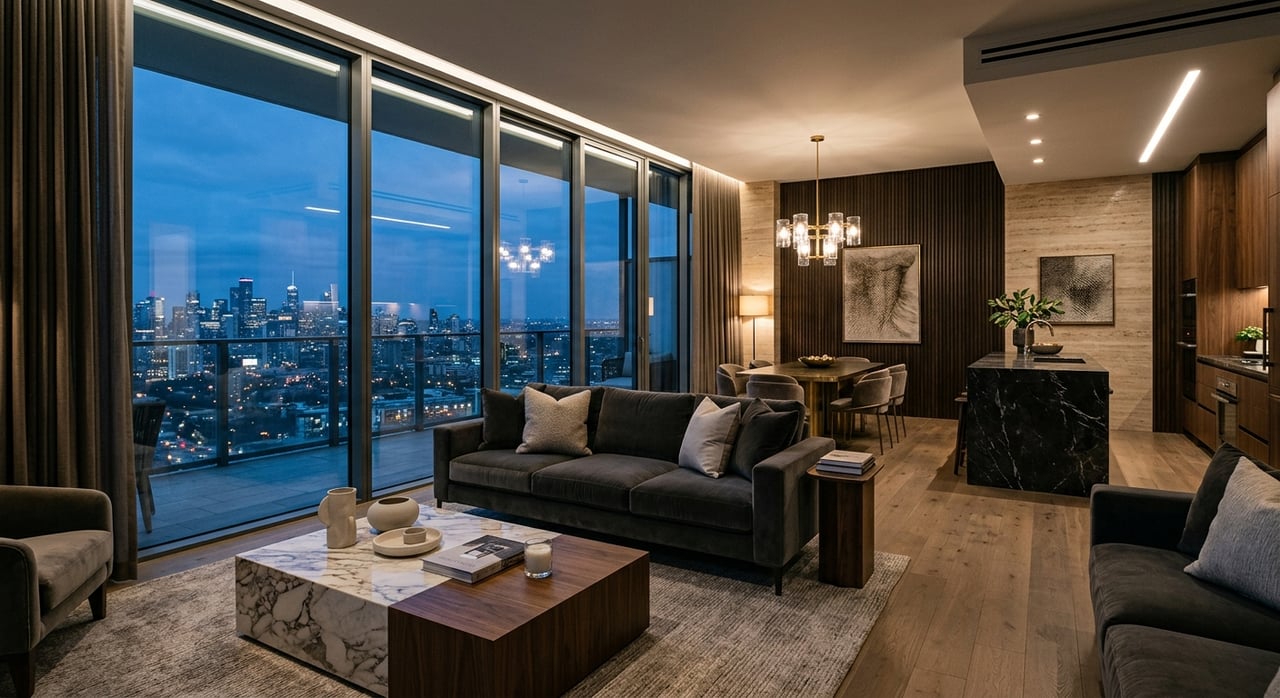
Lakeway’s identity is tied closely to its setting on the south shore of Lake Travis in the Hill Country, about 25 miles west of downtown Austin. The city describes itself as a resort and growth-managed community with marinas, a private airport, trails, and greenbelts. That setting is a big part of why view homes are so desirable here.
But in Lakeway, a view is not always fixed. Lake Travis is a reservoir, and the Lower Colorado River Authority says it is designed to fluctuate, with full pool at 681 feet above sea level. That means a water view can change with lake levels, so a home that looks one way on showing day may feel different in another season.
Start with the type of view
Before you fall in love with a property, identify what kind of view you are actually buying. In Lakeway, the main categories are usually lake views and Hill Country views, and they do not age the same way.
Lake views can shift with reservoir conditions. Hill Country views tend to change more because of tree growth, neighboring additions, or roofline changes. That is why it helps to think beyond the current photo-ready moment and ask how durable the sightline really is.
Ask whether the view is durable
Lakeway has a local view-protection framework in parts of the city. The city’s view-protection conditional overlay is meant to protect established residential views from unreasonable obstruction by new construction, and city review can involve height determinations, setbacks, and easements.
That local framework tells you something important. In Lakeway, views are not just a marketing feature. They are a recognized planning issue, which means you should ask what can legally and physically happen in front of the home over time.
Check if the view is part of daily living
Some homes have a true whole-house relationship to the view. Others depend on one balcony, one upstairs bedroom, or one lucky corner of the lot.
A stronger view home usually ties the outlook to the rooms you will use most, like the living area, kitchen, primary suite, or covered patio. If the view only works from one narrow perch, the home may photograph well without living especially well.
Layout and windows shape the experience
A great Lakeway view is not only about what is outside. It is also about how the home frames that setting and how comfortable the interior stays during a Central Texas summer.
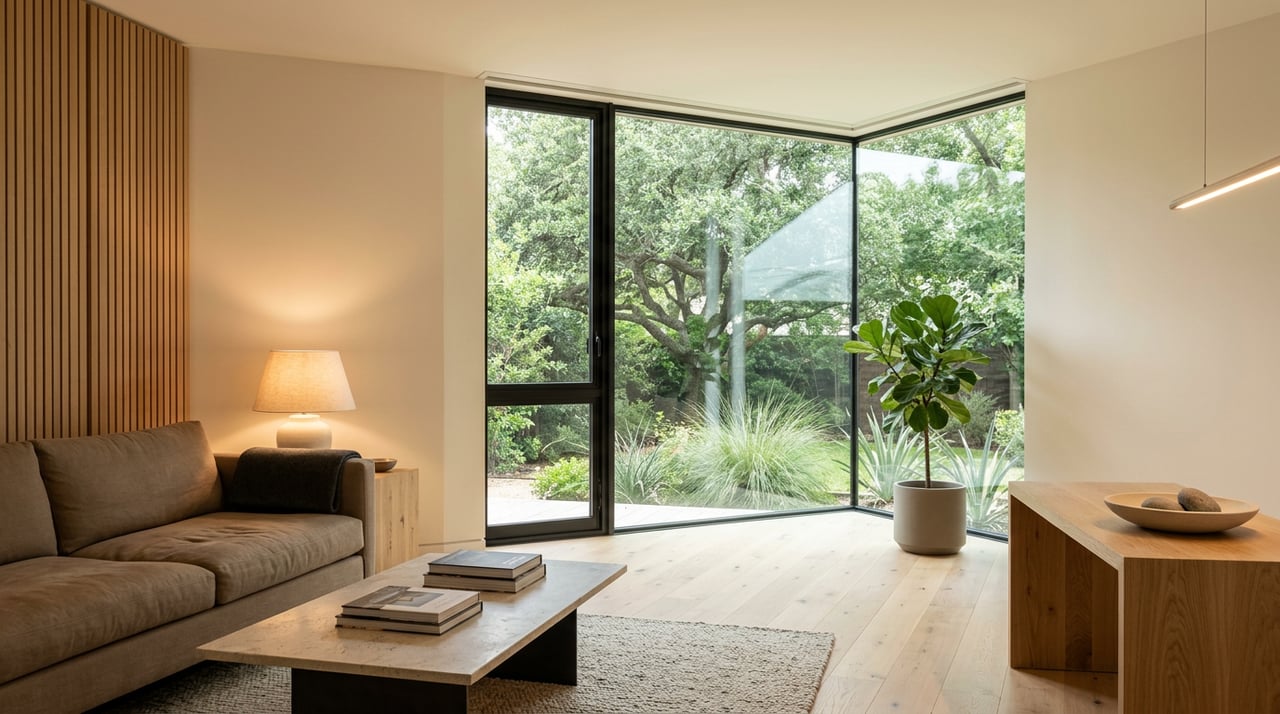
The U.S. Department of Energy’s daylighting guidance notes that window size and placement should respond to cardinal direction. North-facing windows tend to offer more even light with less glare, while east- and west-facing glass can create strong glare and significant heat gain.
Window orientation matters
In this part of Texas, that is more than a technical detail. Nearby Austin-Bergstrom’s July normal average high is 96.1°F, so a dramatic wall of west-facing glass can bring both a great sunset and a serious cooling challenge.
That does not mean large windows are a bad idea. It means you should judge them with a practical eye and ask whether the home balances the view with shade, comfort, and usable daytime living.
Glass performance matters too
The Department of Energy also notes that window performance depends heavily on U-factor and solar heat gain coefficient, or SHGC. Lower SHGC means less solar heat passes through the glass.
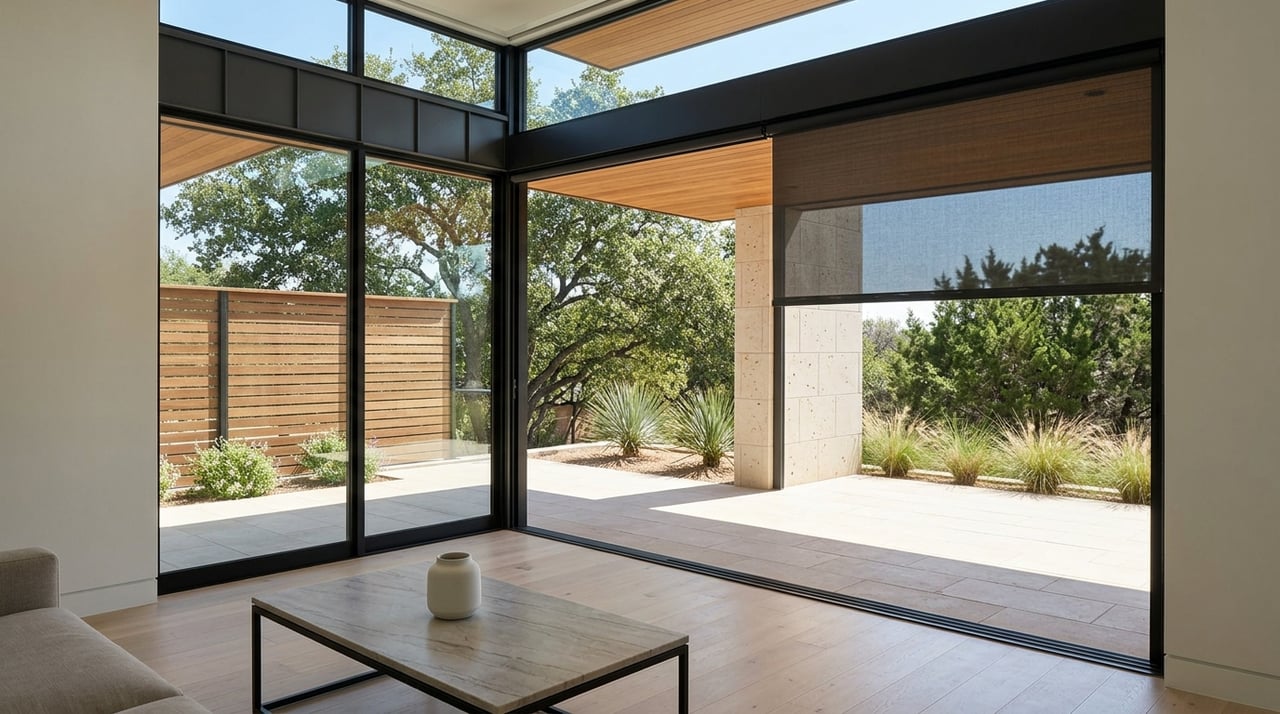
Low-e coatings, reflective films, and exterior shading devices such as awnings can reduce unwanted heat gain while preserving daylight and views. In other words, a smarter glass package may serve you better than simply having more glass.
Outdoor living should work in real life
In Lakeway, outdoor living is often part of the promise of a view home. But the best test is not whether the patio looks beautiful in a listing photo. It is whether you would genuinely want to use it during the times you are most likely to be outside.
A patio without shade may be less useful than it looks. Covered patios, deep overhangs, pergolas, and other shade structures can make a major difference in comfort.
Shade can improve usability
According to the Department of Energy, awnings can reduce solar heat gain by up to 65% on south-facing windows and 77% on west-facing windows. That is a strong reminder that outdoor design and window shading often go hand in hand.
When you tour a home, imagine how the outdoor spaces feel in late afternoon, on a summer weekend, or during a warm evening with guests. A good view should be something you can actually enjoy, not just admire from inside.
Nighttime ambiance matters
The view does not end at sunset. In Lakeway, dark-sky regulations shape how outdoor lighting should work after dark.
The city says outdoor lighting must have a clear purpose, be fully shielded, be no brighter than necessary, use a color temperature under 3,000 Kelvin, and be used only when needed. For residential properties, the lighting curfew runs from midnight to one hour before daylight.
That matters because harsh glare and overly bright fixtures can damage the nighttime experience of a home. A well-composed evening setting often feels calmer, more private, and more consistent with the kind of atmosphere many buyers want in Lakeway.
Privacy and views need balance
A strong view home should not force you to choose between openness and privacy. In Lakeway, privacy can often be improved, but it is subject to local rules.
The city’s design manual treats yard fences as security and privacy features. It allows yard fences up to 6 feet administratively and up to 8 feet with approval, while also stating that they should not encroach into street-side or golf-course setbacks.
Verify screening before you assume
The manual also allows certain lattice privacy screening for hot tubs, patios, or porches, subject to size and height limits. That can be helpful, but it is not something you should assume will work the same way on every property.
Before buying, it is wise to verify where setback lines, fence boundaries, and potential screening areas actually sit. A backyard that feels easy to privatize may be more constrained than it first appears.
Trees, landscaping, and long-term change
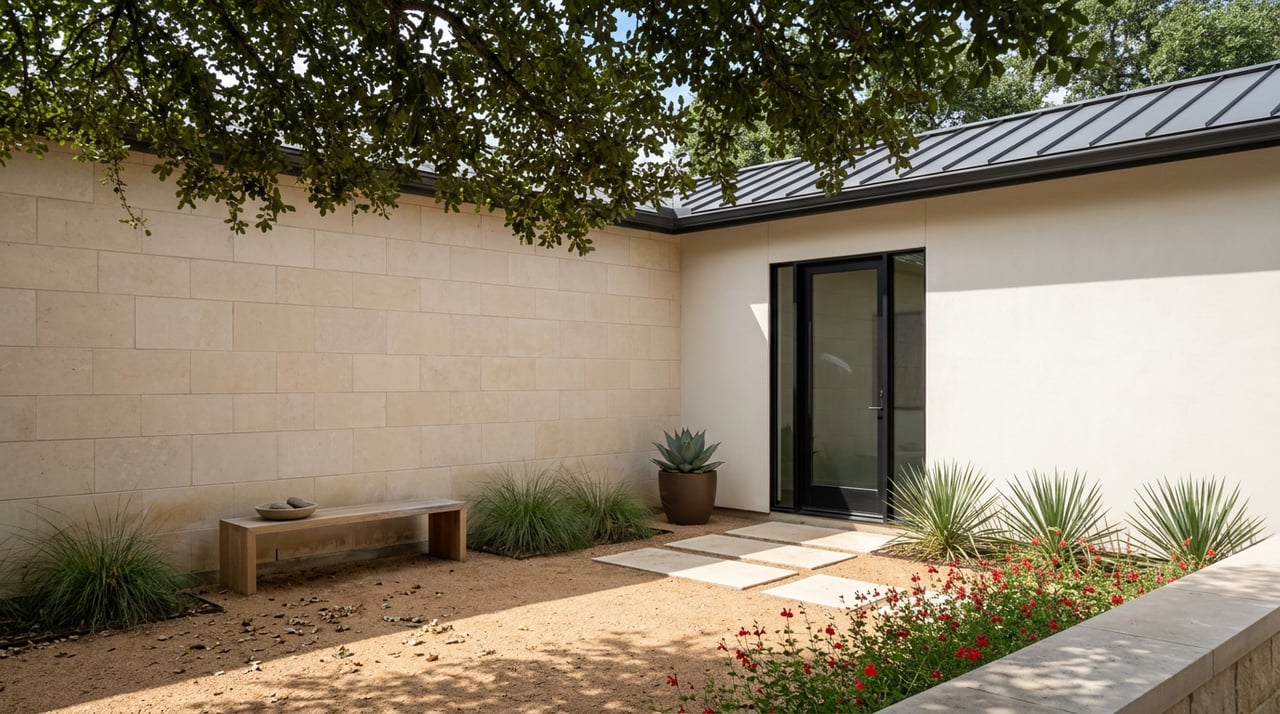
In Hill Country settings, mature trees can be one of the best features of a property. They also shape views in ways that change over time.
Lakeway’s landscaping ordinance is framed around water-supply issues and integrated water management. The city’s design manual adds that landscaping requirements are intended to preserve natural beauty, maintain safe sight views along roadways, and stabilize slopes.
Today’s open view may narrow later
The city’s oak-wilt ordinance also limits some oak plantings and encourages tree diversity. For a buyer, that means landscaping is not just decorative. It is part of the long-term living experience and part of how a view may evolve.
If a home depends on a narrow opening through tree canopy, consider how that opening could change as nearby planting matures. In Lakeway, the best view homes are not just compelling today. They remain usable and attractive as the landscape grows in.
Visit for noise, not just scenery
Views are visual, but livability is not. A home can look serene and still feel less peaceful once you spend time there at different hours.
Lakeway notes that the Airpark is a residential fly-in community and is not a reliever airport for Austin-Bergstrom. That makes aviation activity one localized factor to assess if you are considering certain parts of the area.
Tour at different times of day
Lakeway also updated its noise ordinance in 2024. The ordinance bars certain outdoor domestic power tools from 9:00 p.m. to 7:00 a.m. across a residential boundary.
That should remind you to test a property the way you would actually live in it. Visit from inside and outside, and pay attention to aircraft, road traffic, golf-course maintenance, and neighborhood activity rather than relying only on the listing description.
How to judge a true Lakeway view home
If you want a practical framework, focus on these questions during your search:
- Is the view lake-focused, Hill Country-focused, or both?
- Is the view visible from the rooms you will use every day?
- Could lake levels, trees, or nearby construction change the experience?
- Does the home manage heat and glare well through orientation, glass selection, and shading?
- Is the outdoor living area shaded enough to be useful?
- Will nighttime lighting support, rather than damage, the atmosphere?
- Can privacy be improved within local setback and fencing rules?
- Have you checked the property for noise at realistic times of day?
In Lakeway, the best homes with views are usually the ones that balance design, comfort, regulation, and setting. They do not rely on one dramatic photo. They work as complete homes.
For design-conscious buyers, this is where architectural judgment matters. A home with a slightly less flashy view but a better layout, better shade strategy, and better long-term privacy can easily become the stronger choice.
If you are weighing view homes, custom-home possibilities, or premium lots in Lakeway, working with someone who understands architecture, construction, and livability can help you judge what is truly there and what may change over time. If you want that kind of practical guidance, connect with Allen Auth.
FAQs
What should you ask about a Lakeway lake view?
- Ask how the current water view may change with Lake Travis fluctuations, and whether the view is part of everyday living spaces or limited to one spot.
How do Lakeway view rules affect homebuyers?
- Lakeway has view-protection rules in parts of the city, so buyers should ask about height limits, setbacks, easements, and what may be built nearby.
Why do windows matter in a Lakeway view home?
- Window orientation, glass performance, and shading can affect glare, indoor comfort, and cooling demand, especially during hot Central Texas summers.
What makes an outdoor space usable in Lakeway?
- A usable outdoor space usually includes meaningful shade, comfortable timing for real use, and lighting that supports the setting without creating glare.
How can trees affect a Hill Country view in Lakeway?
- Trees can gradually narrow a sightline over time, so buyers should consider existing canopy, future growth, and how local landscaping rules may shape changes.
What local noise factors should you check in Lakeway?
- You should visit at different times and listen for aircraft, road traffic, golf-course maintenance, and everyday neighborhood activity inside and outside the home.