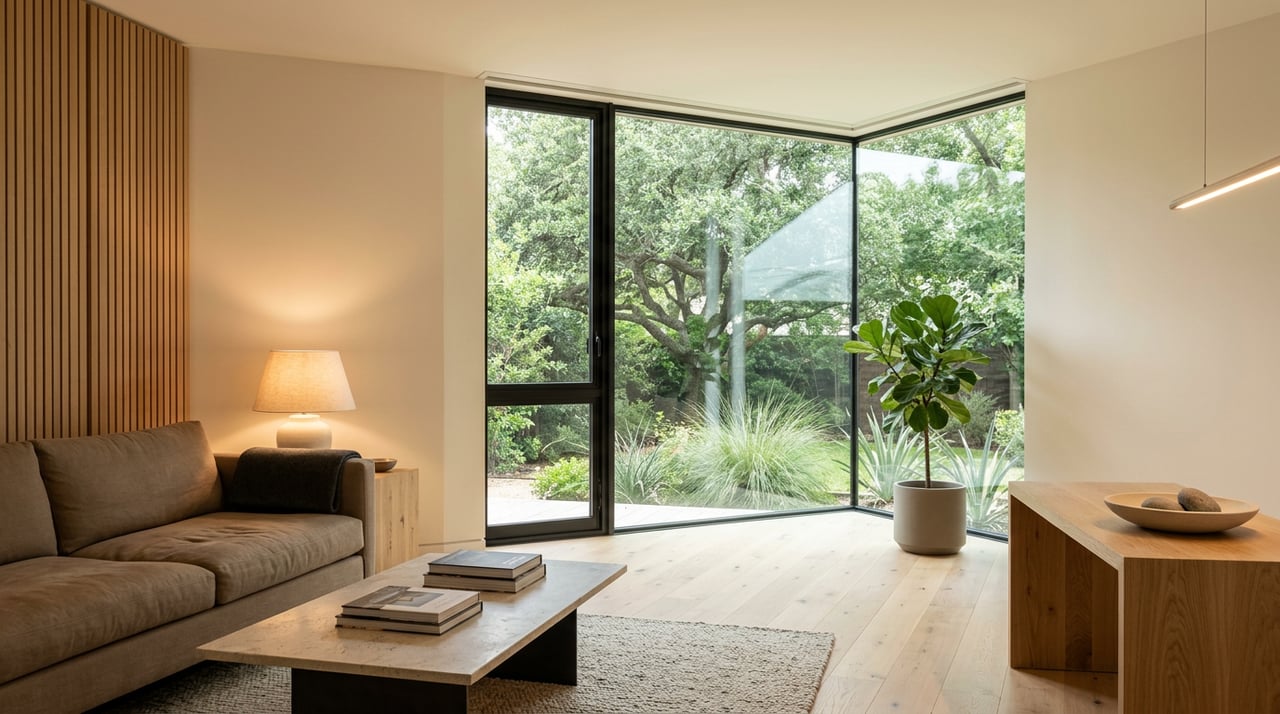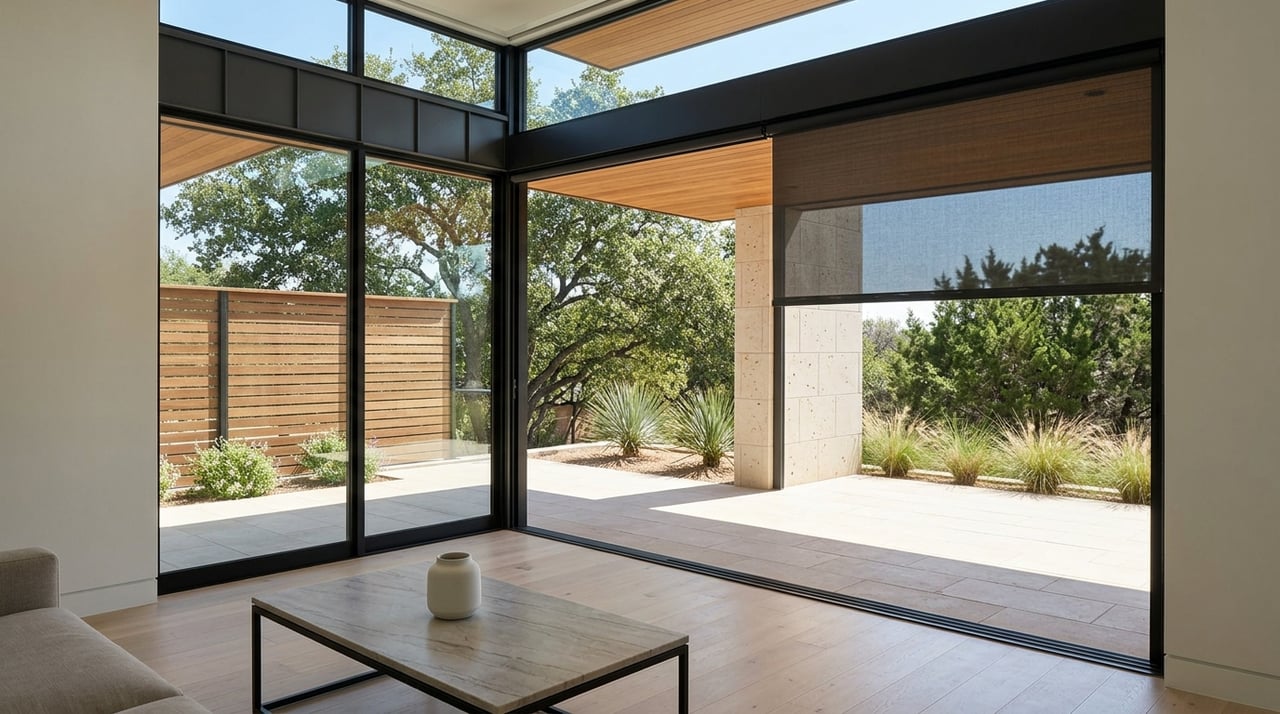
If you have ever toured a downtown Austin condo and thought, this looks great, but how do I know if it is actually a smart buy, you are asking the right question. In this market, the finishes and the skyline view are only part of the story. To evaluate a condo like an insider, you need to look at the unit, the building, the block, and the paperwork together. Let’s dive in.
Why Downtown Austin Condos Need A Different Lens
In downtown Austin, the building is only half the product. The City’s Great Streets Program is designed around a pedestrian-first downtown, with streets meant to function as places for interaction and daily life, not just traffic flow.
That matters because your condo experience starts before you ever reach the front door. The walk from the lobby, the feel of the block, nearby garage entries, street activity, and the quality of the public realm can all shape how the home lives day to day.
Austin also uses tools like the Downtown Density Bonus Program to encourage extra height and density in exchange for better buildings, streetscapes, and community benefits. That means two towers with similar pricing can offer very different long-term value depending on how thoughtfully the project fits into downtown.
Start With The Block
Check The Street Experience
A well-located downtown condo should work at street level, not just on paper. When you tour, walk the full block and notice whether the ground floor feels active and welcoming or dominated by blank walls, curb cuts, and garage entrances.
Since downtown Austin gives priority to pedestrians first, then transit, then bicycles, then automobiles, the surrounding street design can directly affect convenience and enjoyment. A polished lobby does not make up for a block that feels disconnected from the pedestrian environment.
Verify Public Improvement District Costs
Some downtown properties fall inside the Austin Downtown Public Improvement District. This district funds enhanced services and public improvements within its boundaries, which generally run from I-35 on the east to mostly San Antonio on the west, 15th Street to the north, and Riverside Drive or Barton Springs Road to the south.
That makes address-level verification important. If a condo is inside the district, the related assessment is one more recurring cost to review alongside HOA dues, property taxes, parking, and insurance.
Evaluate The View Like A Planner
Ask If The View Is Protected
In Austin, a great view can be a real asset, but not all views carry the same weight. Downtown is shaped by protected Capitol view corridors, and the City treats views toward the hills and the river as part of what gives downtown its identity.
For you as a buyer, the key question is simple: is the view protected, potentially constrained, or vulnerable to future construction? A dramatic sightline today may be very different from a view that has planning protections behind it.
Look Beyond The Window Line
Orientation also matters. West- and south-facing views can be especially appealing in Austin, but you should evaluate more than the postcard moment.
Pay attention to what sits next door, what may rise nearby, and whether your line of sight depends on a currently underbuilt site. An insider does not just admire the outlook. An insider asks how durable that outlook may be.
Study The Floor Plan, Not Just Square Footage
Test Livability In Real Time
A condo can have strong square footage and still live poorly. The better test is whether the layout supports daily life with clear circulation, usable furniture walls, practical storage, and a laundry location that makes sense.
As you walk through, notice whether columns, chases, or awkward angles reduce functional space. A clean online floor plan can hide a lot of lost usability once you stand in the actual unit.
Think About Flexibility
Austin’s urban design guidance notes that floor-to-floor heights and structural grids can affect future uses. For buyers, that is a reminder to value flexibility, not just current staging.
If your needs change, can the unit still work well? A condo that handles guests, remote work, downsizing, or lock-and-leave living with minimal compromise often holds its appeal better over time.
Test Light, Noise, And Privacy
Evaluate Natural Light Carefully
Natural light shapes how a condo feels every day. Instead of asking whether a unit is bright, ask where the light comes from, what time of day it peaks, and whether nearby structures limit it.
This is especially important downtown, where tower spacing and future redevelopment can change the feel of an interior. Light quality is part of livability, not just aesthetics.
Check Noise With Windows Open And Closed
Urban noise is one of the biggest differences between a condo that looks good on a showing and one that feels good after move-in. Austin’s design guidance specifically notes that mechanical equipment can be large, noisy, and visually intrusive.
When you tour, stand quietly with the windows closed and then open them. Listen for traffic, nightlife, garage activity, elevators, rooftop amenity noise, and mechanical equipment.
Notice Sound Transfer And Privacy
Privacy is not only about distance from neighboring buildings. It is also about how much sound moves through shared walls and floors and whether bedroom placement gives enough separation from living areas or hall traffic.
A well-finished unit can still feel exposed if the building’s sound control is weak. This is one of the easiest issues to miss if you only focus on finishes.
Look For Materials That Age Well
Focus On Durability Over Decor
Downtown condo marketing often highlights surface-level finishes, but long-term value usually comes from the less glamorous details. Austin’s design guidance favors durable materials and design that responds to local conditions.
That means you should look closely at window quality, waterproofing, balcony detailing, door hardware, and the general wear you can see in common areas. A building that has been maintained with durability in mind often tells you more than a staged unit ever will.
Read The Lobby And Exterior
Common areas can reveal how a building ages. If the lobby, hallways, and exterior details already show heavy wear, deferred upkeep, or material choices that do not hold up well, that is worth noting.
An insider reads the building as a whole system. The condition of shared spaces can offer clues about management, maintenance habits, and future costs.
Review HOA Health Early
Treat Condo Documents As Decision-Making Tools
In Texas, condo associations must keep detailed records, including financial records, plans and specifications, audits, owner information, voting records, and meeting minutes. These records support the statutory resale certificate, which is one of the most important documents in a condo purchase.
The practical takeaway is straightforward: the paperwork is part of your buying decision, not a formality after the fact. If you wait too long to review it, you may miss important clues about cost, restrictions, or building health.
Know What The Resale Certificate Shows
Under Texas law, the resale certificate must disclose major items such as transfer restrictions, monthly assessments, unpaid sums, other unpaid fees, approved capital expenditures for the next 12 months, reserve balances, unsatisfied judgments, pending suits, insurance coverage, code or rule violations, leasehold terms, the managing agent, the current operating budget and balance sheet, and transfer fees.
The association must provide it within 10 days of a written request, it must be no older than three months when delivered, and the association may charge up to $375. For buyers, that makes this document one of the clearest windows into the real condition of the condo ownership structure.
Verify The Management Certificate
The management certificate is another useful early check. Texas law requires it to be recorded in county records, and it identifies the condominium name, association name, location, filing data, management company contact information, and certain transfer fee information.
This gives you a quick way to confirm who manages the building and where official notices go. It is a small document with practical value.
Understand The Full Monthly Cost
Compare Carrying Costs, Not Just Price
The list price alone does not tell you what a downtown Austin condo really costs to own. A better comparison is the full monthly carrying cost.
That should include HOA dues, property taxes, insurance, parking, storage, any Public Improvement District assessment, and the possibility of future special assessments. Two units with similar prices can perform very differently once those ongoing costs are added up.
Review Reserves And Capital Projects
A building may look polished while still facing expensive future work. That is why you should review reserve balances, current budgets, recent meeting minutes, audits, and any known capital projects.
If approved expenditures are already on the horizon, that can affect near-term ownership costs. Insider-level condo buying means understanding not just today’s monthly number, but tomorrow’s likely obligations too.
Clarify Insurance Responsibility
Ask About Both Layers Of Coverage
Condo insurance in Texas should be evaluated in two layers. Texas insurance guidance explains that an owner’s condo policy generally covers the unit’s contents, dwelling coverage, personal liability, medical payments, and additional living expenses, while the association typically carries the primary policy for common property and covered losses that fall within that scope.
That split matters because confusion around insurance often shows up only after a loss. Before you buy, ask for the association’s insurance summary, deductible rules, and clarity on who pays the deductible when a claim happens.
Your Downtown Austin Condo Checklist
If you want to evaluate a condo like an insider, keep this quick checklist with you during tours and due diligence:
- Walk the block, not just the building
- Judge the street edge, ground-floor activity, curb cuts, and garage presence
- Confirm whether the address is inside the Austin Downtown Public Improvement District
- Check whether the view may be protected or vulnerable to future construction
- Test noise with windows closed and open
- Listen for traffic, nightlife, elevators, rooftop amenities, and mechanical equipment
- Study circulation, storage, bedroom separation, and furniture-friendly walls
- Inspect common-area wear, exterior condition, and durability details
- Request the declaration, bylaws, rules, resale certificate, management certificate, current budget, reserve balance, meeting minutes, audit, pending litigation, capital projects, transfer fees, insurance summary, rental rules, and any leasehold language
- Compare full monthly carrying costs, not just asking price
Why Local, Design-Fluent Guidance Matters
Downtown Austin condos can look similar at first glance, but they often differ in ways that matter a great deal once you own them. The strongest buying decisions come from understanding how a unit lives, how the building is run, how the block functions, and how the numbers hold together.
That is where design and construction fluency can make a real difference. If you want a sharper read on layout quality, building durability, livability, and long-term value in downtown Austin, Allen Auth can help you evaluate your options with a more informed eye.
FAQs
What should you check first when touring a downtown Austin condo?
- Start with the block, the street experience, the unit layout, the view, and the noise level. In downtown Austin, the surrounding environment is part of the product.
How do Capitol view corridors affect downtown Austin condos?
- Capitol view corridors can help protect certain sightlines, which means a view may have more lasting value than a view that could be blocked by future construction.
What documents matter most for a Texas condo purchase?
- Key documents include the declaration, bylaws, rules, resale certificate, management certificate, current budget, reserve information, meeting minutes, audit, insurance summary, and any records of pending litigation or capital projects.
Why do HOA reserves matter when buying a downtown Austin condo?
- Reserve balances help you gauge whether the association may be prepared for future repairs and capital needs, which can affect the risk of higher costs or special assessments.
What extra costs should you compare for downtown Austin condos?
- Review HOA dues, property taxes, insurance, parking, storage, any Public Improvement District assessment, and the possibility of future special assessments.
How should you evaluate noise in a downtown Austin condo?
- Test the unit with windows closed and open, and listen for street noise, nightlife, elevators, rooftop amenity areas, garage activity, and mechanical equipment.