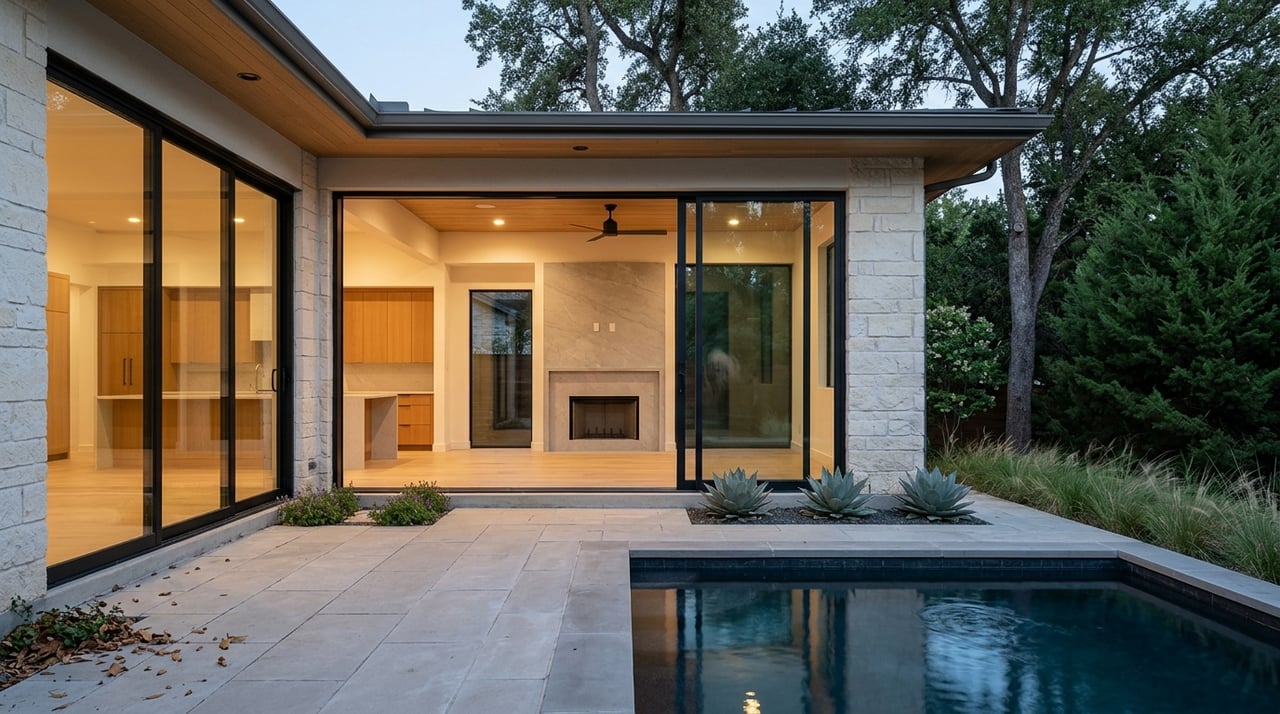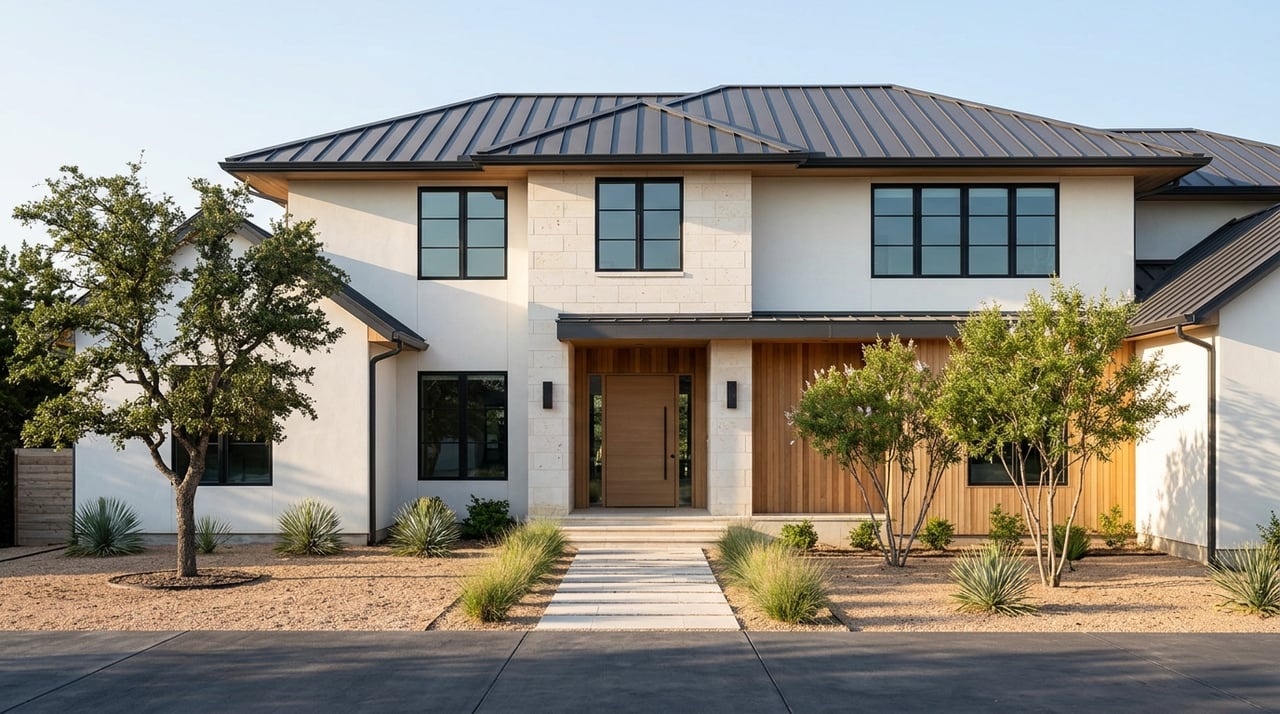
If you have ever walked into a home in Austin and thought, this just feels right, it usually is not because of one flashy finish or a trend-driven kitchen. In this market, good design is more practical than that. It responds to heat, sunlight, drainage, comfort, and the way you actually live day to day. If you are trying to understand what separates a truly well-designed home from one that only photographs well, this guide will help you know what to look for. Let’s dive in.
Design in Austin Starts With Climate
A well-designed home in Austin begins with local conditions, not just style. According to NOAA climate data for Austin-Camp Mabry, the city has an annual mean temperature of 70.0°F, annual precipitation of 36.25 inches, and average daily highs near 97°F in July and August.
That matters because Austin homes deal with strong sun, long cooling seasons, and rainfall that can arrive in short, intense bursts. In practical terms, that means thoughtful shade, effective drainage, and usable outdoor living areas are part of good design, not optional extras.
Daylight Should Feel Comfortable
One of the clearest signs of a well-designed home is the quality of light inside. The best homes feel bright and open without making you squint, overheat, or shut every blind by midafternoon.
The U.S. Department of Energy explains that daylighting works best when window placement matches orientation. South-facing windows can capture winter sun while limiting summer heat if they are properly shaded. North-facing windows tend to provide even light with less glare, while east- and west-facing glass are more likely to create heat gain and visual discomfort.
In Austin, that often means design details such as:
- Deep roof overhangs
- Covered patios or porches
- Exterior screens or shading devices
- Low-e films or solar screens
- Window placement that brings in light without overexposing rooms
If a home feels naturally bright but still calm and cool, that is usually a sign that the design is doing real work.
Layout Should Make Daily Life Easier
A beautiful home can still feel awkward if the floor plan fights your routine. Good Austin homes tend to have a clear flow between spaces, with shared areas that connect naturally and private rooms that feel buffered from noise and activity.
DOE high-performance home guidance describes open layouts with strong public-to-private separation as a smart design approach. For you as a buyer, this often shows up in simple but meaningful ways. The kitchen, dining, and living spaces relate well to each other, hallways are not wasteful, and bedrooms or quieter rooms are not dropped in the middle of the busiest part of the house.
When a layout is well considered, you usually notice it right away. The house feels easy to understand, comfortable to move through, and more livable over time.
Comfort Matters More Than Surface Upgrades
In Austin, a well-designed home should not just look polished. It should feel comfortable at 3 p.m. in August and still feel solid after years of use.
The Department of Energy notes that smart home planning supports energy efficiency, durability, and indoor air quality through a strong building envelope, effective insulation, controlled daylighting, and efficient mechanical systems. DOE guidance related to LEED homes also points to better ventilation, cleaner indoor air, and thoughtful material choices as hallmarks of higher-performing homes.
That means you should pay attention to more than countertops and fixtures. A refined home often includes signs of deeper quality, such as:
- Consistent indoor temperatures
- Good insulation and air sealing
- Proper ventilation
- Well-performing HVAC systems
- Duct sealing and filtration
- Materials chosen for durability as well as appearance
These features may not be the first things you see in photos, but they strongly shape how a home lives.
Energy Features Often Signal Better Design
Austin has a strong green-building culture, and that changes buyer expectations. Austin Energy Green Building says there are more than 15,000 AEGB-rated homes in the area, and those homes go through inspections and verification intended to confirm performance beyond basic code requirements.
That local baseline is important. Energy-conscious design is not a niche preference here. It is part of what many buyers reasonably expect in a market shaped by heat, sun, and long-term operating costs.
Austin Energy’s current home energy savings programs highlight improvements such as attic insulation, duct sealing, solar shading screens or film, smart thermostats, solar systems, and weatherization assistance. When you see these features in a home, they often point to an owner, builder, or designer who prioritized comfort and efficiency in a meaningful way.
You may also see homes marketed with green ratings, solar readiness, EV readiness, or verified upgrades. In many cases, those details are worth a closer look because they can reflect thoughtful planning rather than just marketing language.
Site Design Is Part of Home Design
In Austin, a house cannot be separated from its lot. Good design includes how the home sits on the land, how it handles water, how trees affect shade, and how the landscape supports comfort and durability.
The city’s Grow Green plant guide recommends native and adapted plants that are naturally drought tolerant and need less water and chemical control. That makes these landscapes practical for Austin conditions, especially in a region where water conservation matters.
Landscaping can also affect ventilation and comfort. DOE notes that trees, hedges, and other site features can help direct wind toward or away from windows depending on placement. In a climate where hot days can give way to pleasant evenings, that relationship between house and landscape can make outdoor living feel much more usable.
A well-designed Austin property often includes:
- Shade from existing trees or well-planned plantings
- Outdoor spaces protected from harsh afternoon sun
- Landscaping suited to local water conditions
- Grading that directs water away from the home
- A site plan that works with the lot rather than against it
Drainage and Floodplain Status Matter
This is one of the most overlooked parts of design quality. A home can be visually appealing and still have site issues that affect long-term ownership.
The City of Austin’s FloodPro and floodplain mapping resources note that Austin, Travis County, and other Central Texas communities are updating floodplain maps after Atlas 14 identified heavier rainfall rates and higher flood risk. For buyers, that means floodplain status, drainage patterns, and stormwater behavior deserve serious attention.
When you evaluate a home, the lot should raise the same questions as the interior. Does water move away from the structure? Does the site appear thoughtfully graded? Is the property in or near a mapped floodplain? In Austin, these are design questions as much as risk questions.
Outdoor Living Should Be Usable
Austin’s climate makes outdoor living especially important, but only when it is done well. A patio that gets blasted by western sun all afternoon may look attractive in a listing, but it will not feel inviting for much of the year.
Because Austin has hot summers and often pleasant nights, well-designed homes often blur the line between indoors and outdoors in a smart way. Covered porches, courtyards, deep overhangs, and shaded patios can extend living space without making it feel exposed or overheated. Well-placed windows can also pull in natural light and air while preserving interior comfort.
This is where design quality becomes easy to feel. The best outdoor spaces are not just decorative. They are useful, protected, and connected to the way the home functions.
What Buyers Should Look For
If you are touring homes in Austin, it helps to have a practical filter. A well-designed home usually checks several boxes at once rather than excelling in only one area.
Here are a few smart questions to ask as you walk through a property:
- Does the home get generous daylight without harsh glare?
- Do windows, overhangs, and shades seem to respond to Austin’s sun?
- Is the floor plan intuitive, with a clear separation between active and quiet spaces?
- Does the home feel comfortable and well sealed, not drafty or uneven?
- Are insulation, HVAC, or duct improvements clearly documented?
- Does the lot appear to drain well?
- Is the property in a floodplain or affected by updated flood-risk mapping?
- Are trees and landscaping intentional and suited to Austin’s climate?
- Is there evidence of AEGB rating or other verifiable efficiency upgrades?
These questions help you look past staging and focus on what actually affects daily living and long-term value.
Why Design Fluency Matters When You Buy
In a market like Austin, design quality is not always obvious at first glance. Two homes may have similar square footage, similar finishes, and similar pricing, yet perform very differently in comfort, livability, and future potential.
That is why it helps to evaluate homes through more than aesthetics alone. When you understand layout, orientation, materials, site response, and building performance, you make better decisions. You can spot the difference between a house that simply looks current and one that was genuinely designed to work well in Austin.
If you want help weighing those details while you search, Allen Auth brings architecture, construction, and real estate insight together to help you evaluate how a home lives, how it was built, and whether it truly fits your goals.
FAQs
What makes a home well designed in Austin?
- A well-designed Austin home typically responds to local heat, sun, drainage, and livability through smart window placement, shading, efficient systems, strong flow, and a site plan that fits the lot.
Why is daylighting important in an Austin home?
- In Austin, daylighting matters because the right window orientation and shading can bring in natural light while reducing glare and unwanted heat gain.
What energy features should buyers look for in Austin homes?
- Buyers in Austin should look for features such as attic insulation, duct sealing, solar screens or film, smart thermostats, solar readiness, and other verifiable efficiency upgrades.
How does the lot affect home design in Austin?
- In Austin, lot design affects drainage, floodplain risk, shade, landscaping, and outdoor comfort, all of which play a major role in how well a home performs over time.
What is Austin Energy Green Building?
- Austin Energy Green Building is a local rating program that provides design tools, consulting, inspections, and verification for homes built or improved to perform beyond standard code requirements.
Why should Austin buyers care about drainage and floodplains?
- Austin buyers should care because intense rainfall and updated flood-risk mapping make water movement, grading, and floodplain status important parts of evaluating a property.
How can you tell if a floor plan is well designed?
- A well-designed floor plan usually feels intuitive, connects shared spaces naturally, reduces wasted circulation, and separates private rooms from noisier living areas.