Wondering how to prepare a design-forward home in Dripping Springs without sanding off the very character that makes it special? If you are getting ready to sell, that tension is real. You want your home to feel polished and market-ready, but you also want buyers to see the architecture, the setting, and the way the home actually lives. This is especially important in Dripping Springs, where Hill Country character, outdoor living, and a strong sense of place shape buyer expectations. The good news is that the right prep work is usually more about clarity than decoration. Let’s dive in.
Why presentation matters in Dripping Springs
Dripping Springs is a fast-growing community with a strong local identity tied to Hill Country views, native landscape, creeks and springs, and easy access to Austin. The city also emphasizes preserving Hill Country character and a community sense of place as growth continues. That context matters when you sell because buyers are not just evaluating square footage. They are evaluating how well a home fits its site, its architecture, and the lifestyle the property suggests.
Market conditions reinforce that need for clear presentation. In the March 2026 city snapshot from Four Rivers REALTORS®, Dripping Springs showed a median sales price of $600,000, 78 days on market, and 4.1 months of inventory. Most closed sales, 66.7%, fell in the $500,000 to $749,999 range. In a market where buyers have time to compare options, your home needs to communicate its value quickly and clearly.
For a design-focused property, that usually means three things. Buyers should be able to understand the architecture right away, follow how the rooms function, and see how the outdoor areas extend the home. If any of those pieces feel confusing, the design story can get lost.
Clarify the architecture first
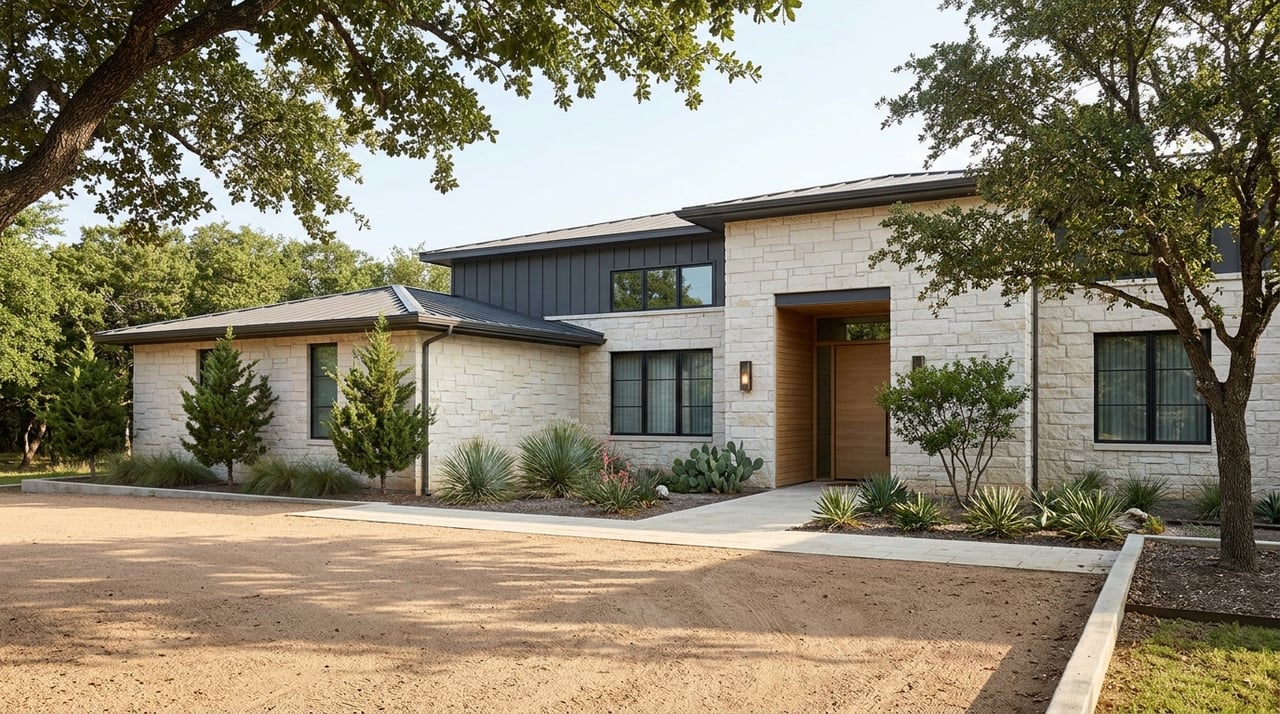
In Dripping Springs, local design standards describe Hill Country architecture as rooted in simple forms, native materials, sheltering roof lines, wide eaves, and generous porches. The emphasis is on fitting into the community rather than trying to overpower it. That gives sellers an important cue. Your goal is not to make the home feel trendier than it is. Your goal is to make its authentic design features easier to see.
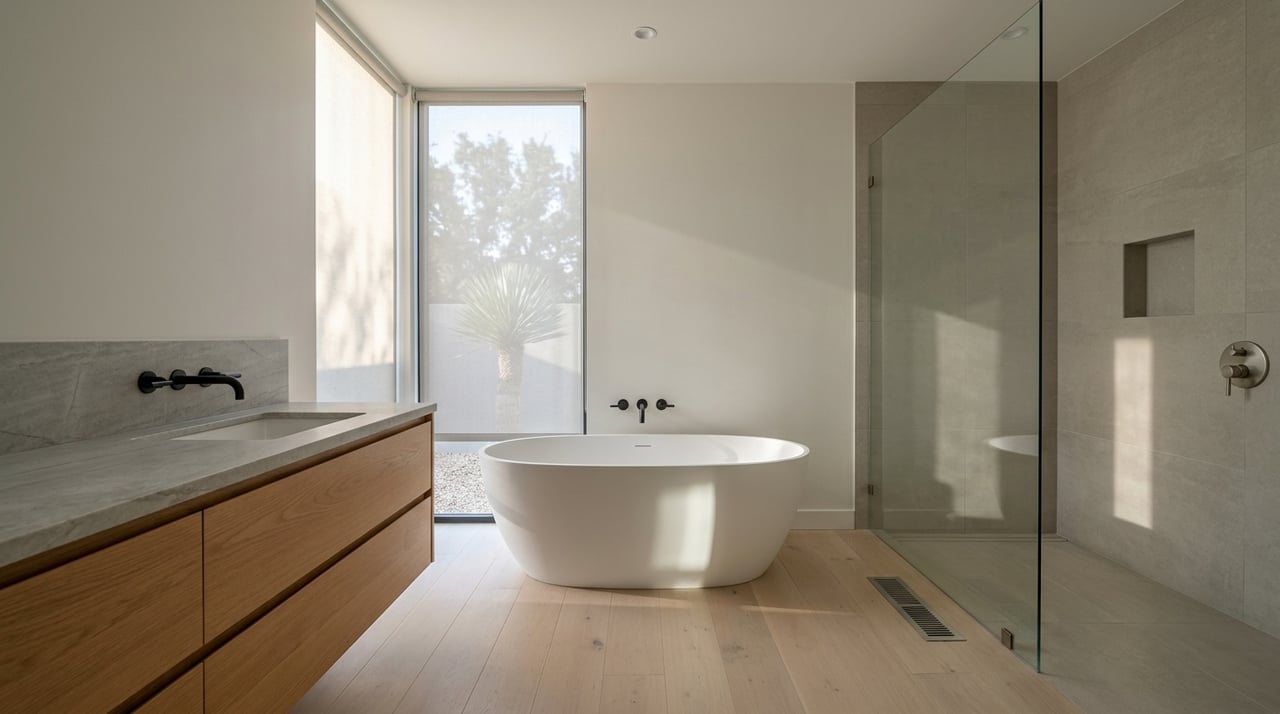
Start by editing anything that hides the bones of the home. Heavy decor, too many small furnishings, and visually busy accessories can distract from materials, rooflines, ceiling heights, or the way indoor and outdoor spaces connect. If your home has strong stonework, warm wood, large windows, or a porch that frames the setting well, those features should lead the presentation.
This is where a design-trained eye can make a real difference. Instead of asking, “What can we add?” ask, “What should a buyer notice in the first 10 seconds?” In many Dripping Springs homes, the answer includes the arrival sequence, natural materials, framed views, and the relationship between the house and the land.
Focus on what makes the home readable
Before listing photos or showings, walk through the property and identify the design elements that tell the clearest story.
- Rooflines and porch structure
- Native or natural-looking exterior materials
- Sightlines from entry to main living areas
- Connections between kitchen, living, and outdoor spaces
- Mature trees, views, and shaded seating areas
- Any built-in details that show quality and function
When these features are visible, buyers can process the home more easily. That often leads to stronger first impressions and more confidence during showings.
Stage key rooms, not every corner
Staging helps buyers picture a property as their future home. According to NAR’s 2025 staging report, 83% of buyers’ agents said staging made that visualization easier. The living room, primary bedroom, and kitchen ranked as the most important spaces to stage.
That finding is especially useful for sellers of design-conscious homes. You do not need to over-style every room. You need the most important spaces to feel calm, scaled correctly, and easy to understand. In a home with good architecture, less is often more.
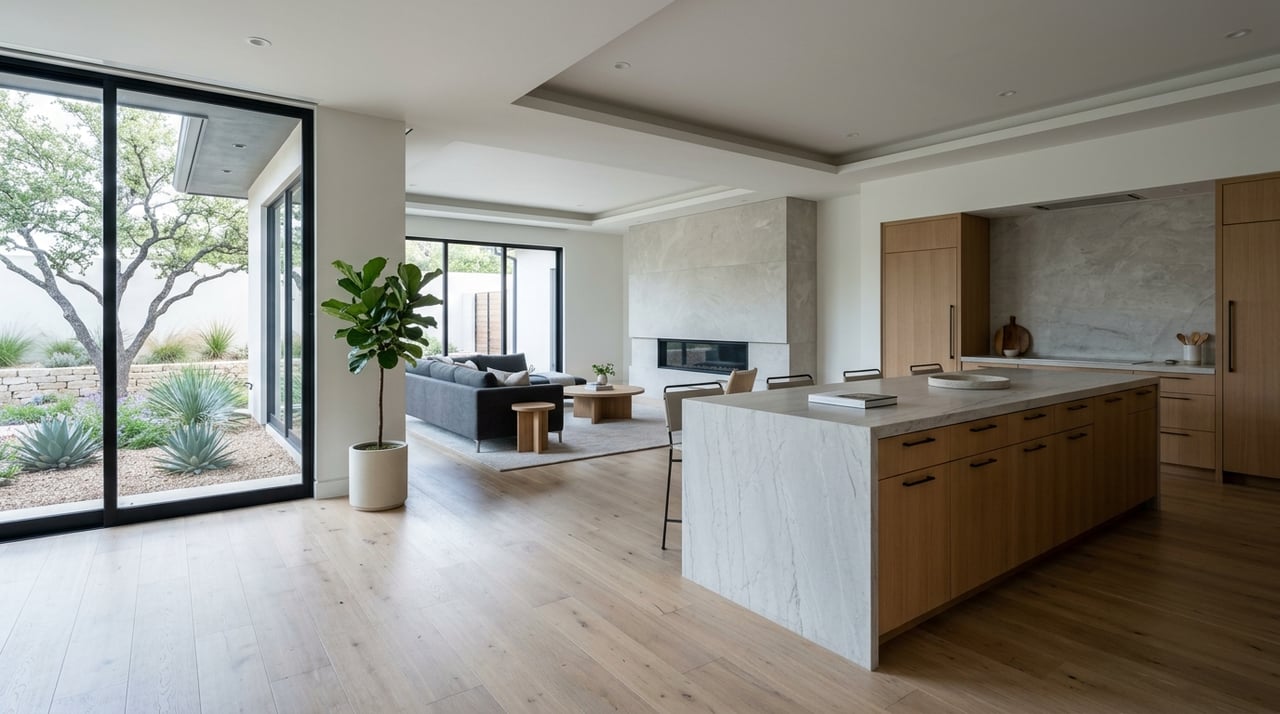
The living room should show how people gather. The primary bedroom should feel restful and spacious. The kitchen should read as functional and clean, with enough styling to feel inviting but not cluttered. If you have a dining space that plays an important role in the floor plan, it is also worth presenting thoughtfully.
Keep staging aligned with the home
For a unique home, staging is less about adding trendy decor and more about helping the architecture read clearly. NAR reported a median spend of $1,500 when a staging service was used, compared with $500 when the agent staged the home personally. That does not mean you need to spend more. It means your staging budget should go toward the areas that improve understanding.
Use staging to support scale, function, and flow.
- Remove oversized or mismatched furniture
- Simplify surfaces so finishes and materials stand out
- Use lighting and layout to define how a room works
- Keep color palettes quiet and cohesive
- Avoid decor that fights the home’s style
If your home leans Hill Country, transitional, or modern organic, the styling should reinforce that tone. A design-forward house usually performs best when it feels intentional, not overly decorated.
Treat outdoor living like a major room
In Dripping Springs, outdoor living is not a side note. Patios, porches, pools, and view corridors should be prepared and photographed with the same care as the interior. NAR’s staging report found that outdoor and yard space was staged by 31% of sellers’ agents. In this market, that number should get your attention.
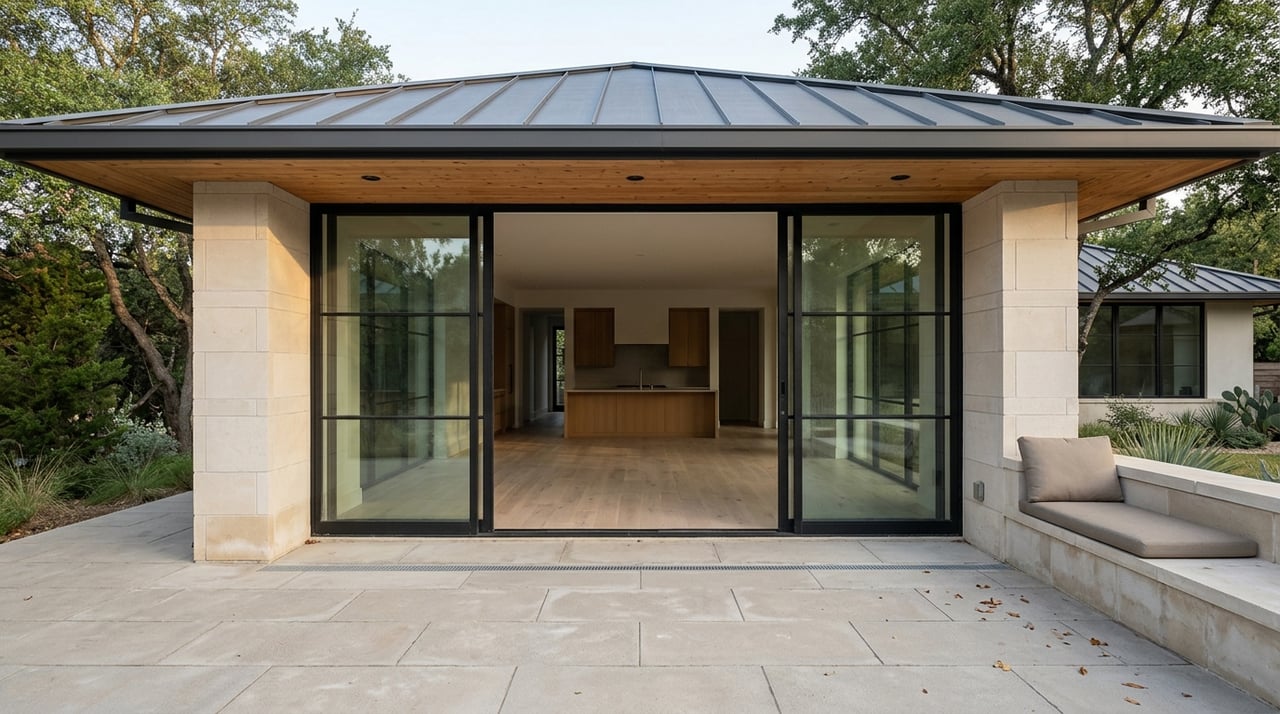
Many buyers are drawn to the way a home interacts with its land. Covered seating, a usable patio, a framed sunset view, or a well-placed porch can carry real weight in the decision process. If those spaces feel neglected, buyers may miss part of the property’s value.
Start by editing and simplifying. Outdoor furniture should feel proportionate and purposeful. Pathways should be clean. Hardscape should be swept. Pool areas, if present, should feel calm and maintained. The goal is to help buyers imagine spending time there, not managing a long to-do list.
Work with the landscape you actually have
Dripping Springs has practical landscape constraints that matter before listing. The local landscape ordinance emphasizes drought-tolerant plant selection, tree preservation, and drip irrigation. Residential homes cannot remove heritage trees, and sprinklers cannot send water over sidewalks, streets, or other non-vegetated areas.
That matters even more now because city water customers are under Stage 2 mandatory watering restrictions beginning April 1, 2026. Watering is limited to once per week on assigned days during early-morning or evening windows. So if you are preparing to sell, a last-minute, water-heavy landscape makeover is not the most realistic strategy.
Instead, focus on practical improvements that respect both the property and current conditions.
- Prune for shape and view framing
- Refresh mulch in key beds
- Remove dead or struggling plant material
- Clean up edging and pathways
- Highlight mature trees and natural screening
- Use selective replanting rather than a full re-landscape
Mature trees and careful site management are part of the value story in Dripping Springs. Buyers often respond well to landscapes that feel established, restrained, and appropriate to the setting.
Make a strong first impression with small fixes
If you are deciding where to spend money before listing, small-ticket improvements often offer the best leverage. In the 2025 Remodeling Impact Report, Realtors most often recommended painting the entire home, painting one interior room, and installing new roofing before listing. NARI’s highest cost-recovery projects included a new steel front door, closet renovation, and a new fiberglass front door.
For a design-focused home, this supports a simple strategy. Freshen what feels worn, repair what feels neglected, and protect what gives the home its character. You do not need to reinvent the house to improve its market position.
Start with anything that interrupts confidence. Buyers should be thinking about the architecture and livability, not chipped trim or a sticking gate.
Prioritize these pre-list updates
- Fresh paint where sun exposure or Hill Country dust has made wear obvious
- Front door refresh or replacement if the entry feels tired
- Roof and gutter repairs if any issues are visible
- Re-caulking, grout touch-ups, and hardware tightening
- Replacement of broken fixtures or visibly dated small components
The front door deserves special attention. Arrival matters, and the entry often sets the tone for the entire showing. A worn or underwhelming front door can weaken the presentation of an otherwise strong home.
At the same time, avoid cosmetic changes that fight the property’s style. In Dripping Springs, Hill Country character is part of the appeal. If your updates make the home feel less rooted in its setting, they can work against you.
Be careful with exterior changes
Not every exterior update is just a weekend project. The Dripping Springs Building Department advises homeowners to contact staff before submitting a permit so requirements can be confirmed based on location, zoning, and scope. Additional approvals may be needed for exterior design, landscape design, and exterior lighting.
That means even modest exterior changes may involve review. If you are considering a new light package, a façade adjustment, or landscape alterations before listing, it is smart to confirm what applies to your property before starting work. Delays and compliance issues are not the kind of surprises you want during listing prep.
This is another reason simple, high-impact fixes often make the most sense. Cleaning, repairs, paint refreshes, and selective editing usually improve presentation without creating unnecessary complexity.
Use lighting to support the home
Lighting affects how buyers experience a property both in person and in photography. In Dripping Springs, it also connects to local standards and community identity. The lighting ordinance says outdoor fixtures should be shielded, directed downward, and no warmer than 3000K, with residential properties limited to 25,000 lumens per acre. Compliance applies inside city limits and in certain ETJ subdivisions with development agreements, while elsewhere it is voluntary.
For sellers, the practical takeaway is straightforward. Front path, patio, and façade lighting should feel warm and restrained, not harsh or blue-white. Dripping Springs is an International Dark Sky Community, so subdued lighting fits the local setting and usually photographs better at dusk.
If your exterior lights feel too bright, too cool, or poorly aimed, a small lighting edit can improve the mood quickly. Good lighting should support the architecture and the site, not overpower them.
Build a sale strategy around clarity
A design-forward home in Dripping Springs usually sells best when buyers can immediately understand what makes it special. That means showing the architecture honestly, staging the rooms that matter most, and treating the outdoor setting as part of the home rather than extra space.
It also means respecting the local context. Hill Country character, mature trees, water-wise landscaping, and restrained exterior presentation are not minor details here. They help define the property’s fit, appeal, and long-term value in the eyes of buyers.
If you want to sell well, aim for a home that feels intentional. Not louder. Not trendier. Just clearer, more polished, and easier to evaluate.
With Allen Auth’s background in residential architecture, custom building, and design-focused real estate, you can prepare your Dripping Springs home with a sharper eye for what buyers actually notice and value. If you are thinking about selling, Allen Auth can help you position the home with strategy, restraint, and a strong understanding of how design affects resale.
FAQs
What rooms matter most when staging a Dripping Springs home for sale?
- The living room, primary bedroom, and kitchen are the most important rooms to stage, based on NAR’s 2025 staging report.
What pre-listing updates offer strong value for Dripping Springs sellers?
- Fresh paint, entry improvements, roof or gutter repairs, and small maintenance fixes tend to offer strong leverage without erasing the home’s original character.
How should sellers handle landscaping before listing a home in Dripping Springs?
- Focus on pruning, mulch, cleanup, selective replanting, and highlighting mature trees rather than trying to do a water-heavy landscape overhaul.
What should buyers notice first in a design-focused Dripping Springs listing?
- Buyers should quickly understand the architecture, how the rooms live, and how porches, patios, views, or other outdoor spaces extend the home.
Do exterior changes in Dripping Springs require review before listing?
- They can, so homeowners should contact the Building Department to confirm requirements based on the property location, zoning, and scope of work.
How should outdoor lighting be presented for a Dripping Springs home sale?
- Outdoor lighting should feel warm, shielded, and directed downward, which aligns with local dark sky principles and supports better dusk presentation.