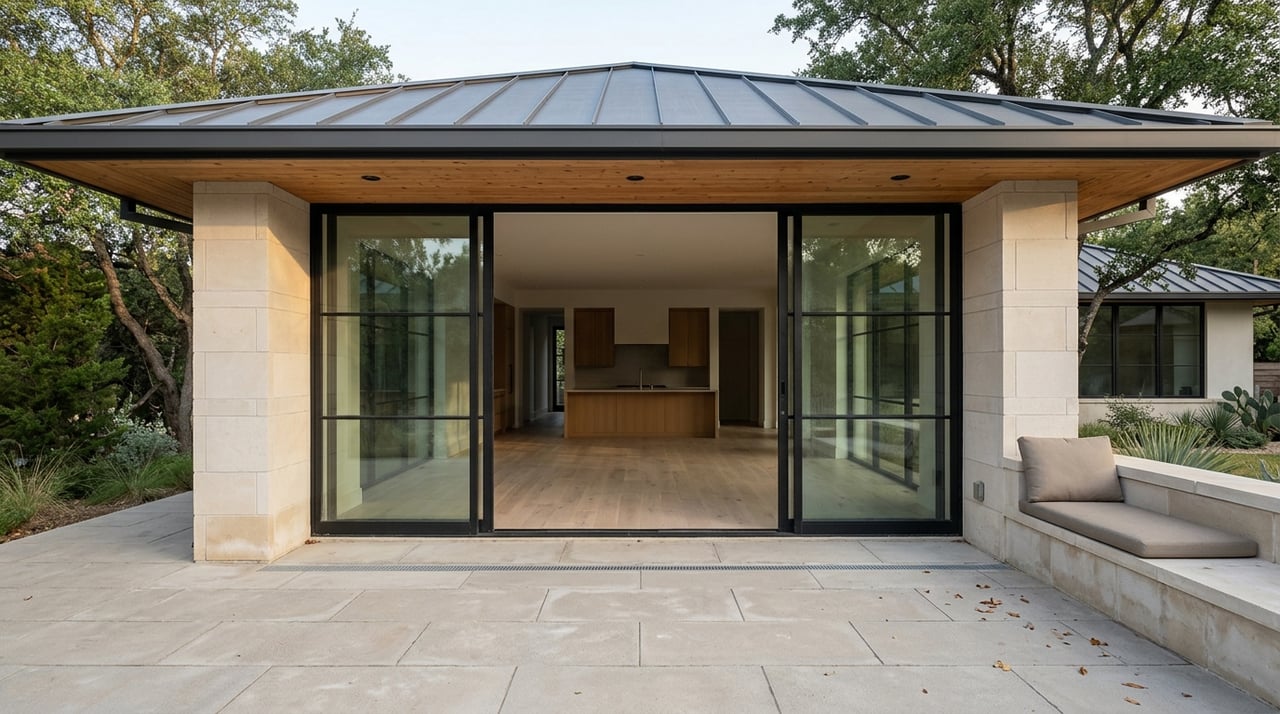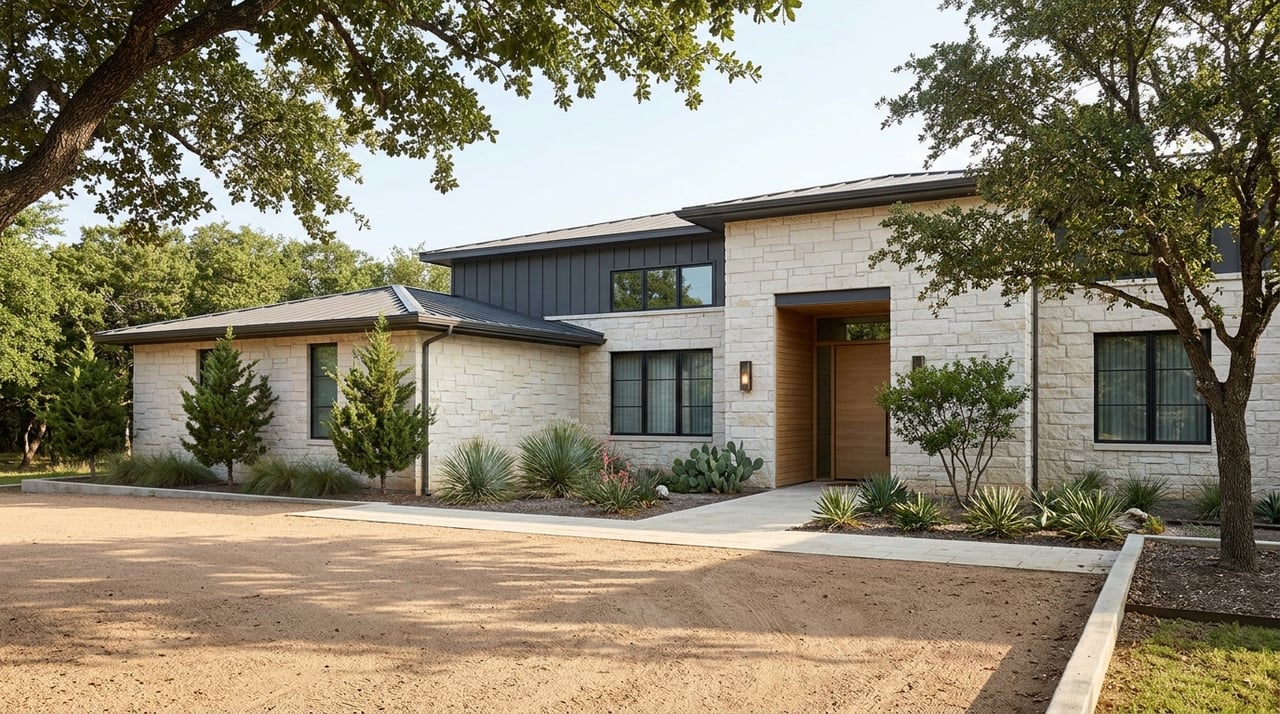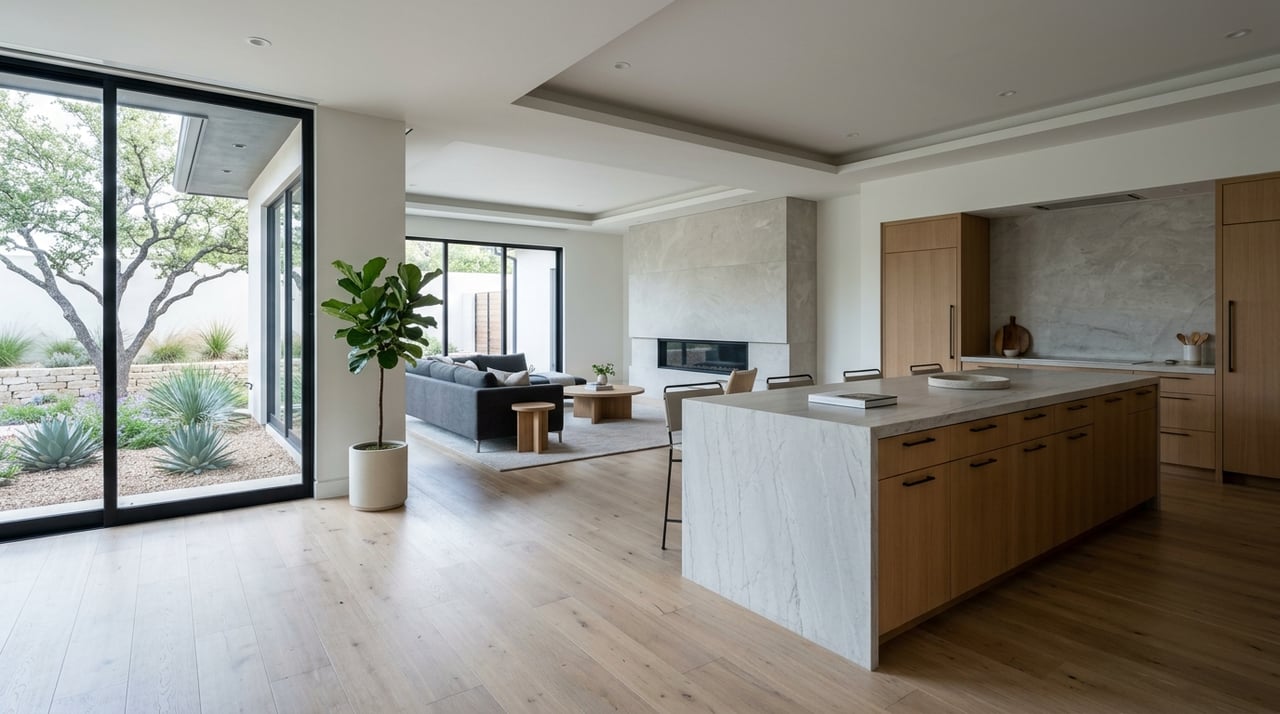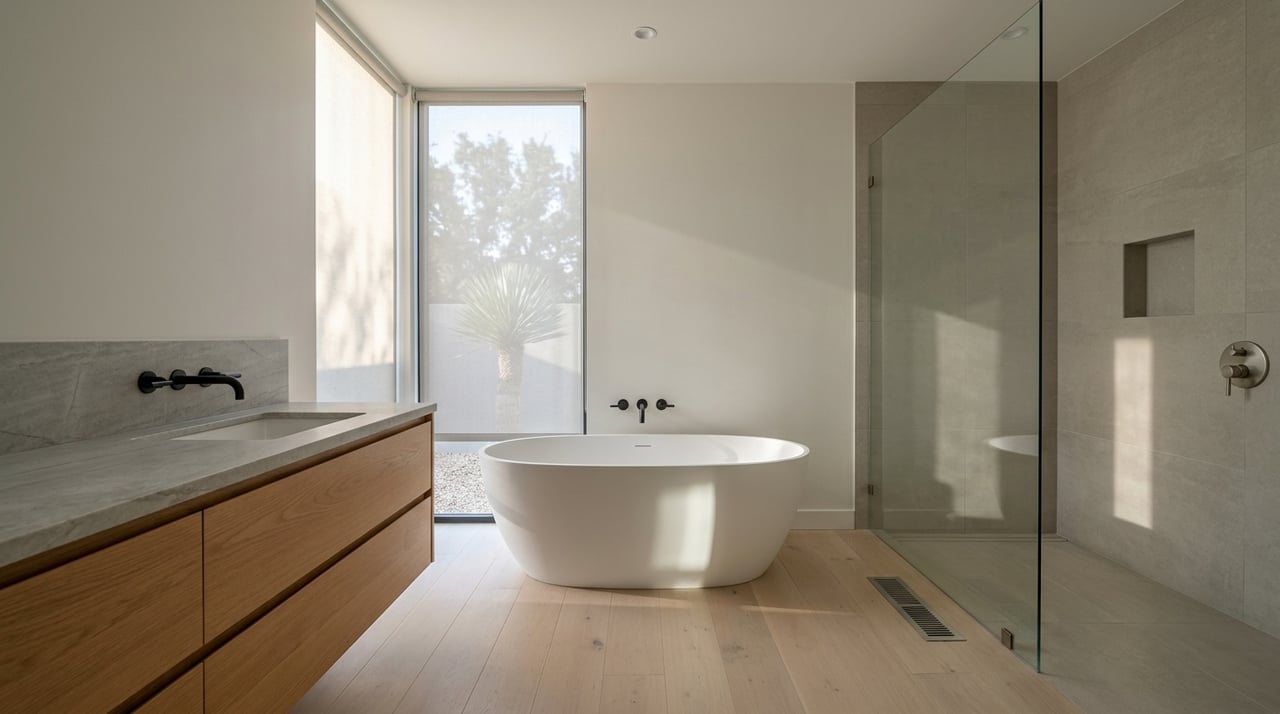
If you have started touring new homes in Liberty Hill, you have probably noticed how easy it is to focus on the model kitchen and miss the details that matter more. In a fast-growing area, two homes that look similar on the surface can come with very different rules, utility setups, tax structures, and long-term ownership costs. This guide will help you sort through the main new construction options in Liberty Hill so you can compare communities and builders with more clarity. Let’s dive in.
Why Liberty Hill new construction needs context
Liberty Hill is growing quickly. U.S. Census Bureau QuickFacts estimates the city had 13,317 residents in July 2025, up from 3,646 in the 2020 Census. At the same time, the City of Liberty Hill is updating its Unified Development Code and managing long-term water planning, which tells you this is an area evolving in real time.
That growth creates opportunity, but it also means you should look beyond the sales center. In Liberty Hill, the lot’s location and jurisdiction can affect permitting, subdivision rules, utilities, and taxes. A Liberty Hill mailing address does not always tell the full story.
Know the jurisdiction first
Before you compare builders, confirm whether the property is inside Liberty Hill city limits, in the ETJ, or outside both. The city says homes inside city limits are subject to zoning, subdivision, sign regulations, and most building permits. Properties in the ETJ are subject to subdivision and sign rules and may also need plats and stormwater permits.
Properties outside both the city limits and ETJ are not subject to city rules. The city also notes that Williamson County ESD #4 is a separate fire and permitting authority in the area. That means the approval path and oversight can vary more than many buyers expect.
This matters because not every Liberty Hill-area community is governed the same way. The city lists Orchard Ridge, Santa Rita Ranch, and Stonewall among MUDs in the ETJ, while noting that Lariat is in Williamson County and not in the city ETJ. If you are comparing communities, start with jurisdiction before you compare upgrades.
Understand Liberty Hill utility differences
Utilities can vary from one community to the next, even when homes are close together. The City of Liberty Hill handles water and wastewater in some areas, but nearby developments may use different providers for water, sewer, or both.
For example, Stonewall Ranch’s fact sheet lists City of Georgetown water and City of Liberty Hill wastewater. Orchard Ridge lists City of Georgetown water. These details affect your monthly costs and your day-to-day ownership experience, so they deserve a place on your checklist early.
Production communities in Liberty Hill
What production homes usually offer
For many buyers, the first stop is a production-style master-planned community. These neighborhoods often offer multiple builders, a range of floor plans, and a streamlined building process that feels more predictable than a one-off custom build.
Lariat is a strong example. The community describes itself as a 688-acre development planned for about 1,600 homes, with homesites on 45-, 50-, and 60-foot lots. Builder information highlights flexible living spaces, outdoor entertaining areas, and first-floor primary bedrooms.
Santa Rita Ranch is another major option in the Liberty Hill area. Its community materials describe homes ranging from around 1,500 square feet to luxury estate homes, while the fact sheet lists Liberty Hill ISD, PEC electric, Georgetown Utility System water and sewer, a monthly HOA fee, and MUD-based tax components. That is a good reminder that the home itself is only part of the ownership picture.
Why community costs matter
Production communities can look similar at first glance, but the cost structure may not be similar at all. Current fact sheets show differences in HOA dues, tax layers, utility providers, and school district assignments.
Stonewall Ranch currently shows a $120 quarterly HOA fee. Orchard Ridge shows $270 quarterly HOA dues. Santa Rita Ranch shows a $116 monthly HOA fee along with multiple tax layers, so you want to compare the full monthly cost, not just the base home price.
Semi-custom choices in Liberty Hill
More flexibility without going fully custom
If you want more personalization, a semi-custom or design-driven production option may be a better fit. This tier usually gives you more flexibility in layout and finish selections while still working within an established builder process.
Lariat shows how this can work in practice. Its builder pages note that buyers can choose from many floor plans across multiple lot sizes, and Drees highlights the ability to customize floor plans and select from hundreds of design options at the design center. That is more tailored than a standard tract home, but it is still different from a true custom process.
Some builder materials in Lariat also reference floor plans with open-concept layouts, first-floor primary suites, flex rooms, media rooms, and options that can work for multigenerational living. If your household needs may change over time, that kind of flexibility can add real value.
True custom and build-on-your-lot options
When maximum control matters
At the highest-flexibility end of the market, you will find true custom homes and build-on-your-lot opportunities. These options are usually better suited to buyers who want more control over site planning, structure, and finish decisions.
Tesoro is marketed as a custom home development with 98 one-acre lots, underground electric, an HOA, and an architectural control committee. Giddens Homes also says it builds luxury custom homes on acreage homesites in Liberty Hill communities including Clearwater Ranch and Santa Rita Ranch, and it offers a build-on-your-lot process that includes survey assessment, engineering, design selections, permitting, and construction.
If you are considering this path, your due diligence needs to go deeper. Lot conditions, utility access, restrictions, grading, drainage, and the builder’s structural standards all play a bigger role in the final outcome.
Compare more than model-home finishes
Focus on livability first
One of the biggest new-construction mistakes is falling in love with finishes before you know whether the plan actually works for your life. A better comparison starts with how the home lives day to day.
Pay attention to traffic flow, pantry size, storage, guest suite placement, laundry location, garage capacity, outdoor living, and how easily the floor plan can adapt over time. Builder pages in Liberty Hill commonly highlight features like media rooms, guest suites, larger primary suites, and flexible layouts, which tells you these practical questions matter.
Ask about hidden construction details
A polished model home does not tell you much about what is behind the walls. Ask for specifics about the foundation type, framing, roof system, house wrap, insulation, windows, HVAC, and water-management details.
Clearwater Ranch offers a useful example of the kind of transparency buyers should look for. Giddens publishes standards that list an engineered post-tension foundation, 16-inch stud spacing, engineered roof framing, OSB and Tyvek wrap, a full insulation package, and a 2-10 year warranty program. Even if you are shopping with a different builder, this is the level of detail worth asking for.
Treat renderings as a starting point
Marketing materials can be helpful, but they are not the final word. Community fact sheets for Santa Rita Ranch and Stonewall Ranch state that information such as amenities, prices, floor plans, and site plans is subject to change, that renderings are conceptual, and that the as-built condition controls.
That is why the best comparison is not the staged model. It is the written floor plan, the standard features sheet, the lot details, and the actual specifications for the home you are buying.
Warranties and long-term quality
A builder warranty can be valuable, but only if you understand the written terms. A sample new-home warranty document referenced in the local research separates workmanship and materials coverage, systems coverage, and major structural defect coverage into different terms and time periods.
Before you rely on a warranty promise, ask for the actual booklet. Review the claim process, exclusions, coverage periods, and what documentation is required if an issue comes up. Clear terms matter more than a broad sales promise.
Liberty Hill questions buyers should ask
Some due-diligence questions are especially important in Liberty Hill because of the area’s growth and mix of jurisdictions. These are smart questions to ask before you move forward:
- Is the property inside city limits, in the ETJ, or in the county?
- Is the community in a MUD?
- Who provides water, sewer, electric, and fire protection?
- What are the current HOA dues and tax components?
- What is included in the builder’s standard features?
- What structural specifications can the builder provide in writing?
- What are the warranty terms for workmanship, systems, and structural items?
- What drainage and irrigation details apply to this lot?
If school attendance matters to your move, verify the current assignment directly with the district. Liberty Hill ISD says attendance boundaries are being reviewed to balance enrollment, plan for new campuses, and reduce overcrowding as the district grows. In a fast-changing market, it is wise to confirm rather than assume.
Water planning is part of ownership
Water is also part of the Liberty Hill new-construction conversation. The city says most of its water comes from Lake Travis and the Trinity Aquifer, that it is operating under Phase 1 water restrictions, and that it is investing in Pure Water LHTX to secure long-term supply.
For buyers, this is not just a policy detail. It can affect landscaping choices, irrigation expectations, and how a property functions over time. When you compare homes, ask about the lot’s drainage, irrigation plan, and the water rules that may shape daily use.
Choosing the right new construction path
The right Liberty Hill new-construction option depends on how much control you want and how much complexity you are comfortable managing. Production communities can offer convenience and a broad menu of plans. Semi-custom options can give you more flexibility in layout and design. True custom or build-on-your-lot homes can offer the most control, but they also require the deepest due diligence.
The key is to move from aesthetics to evidence. When you compare jurisdiction, utility providers, lot conditions, structural package, warranty terms, and full ownership costs, you make a much stronger decision.
If you want a calm, informed second opinion while you evaluate new construction in Liberty Hill, Allen Auth brings architecture, building, and real estate experience to the process so you can look beyond the finishes and buy with more confidence.
FAQs
What are the main new construction options in Liberty Hill?
- In Liberty Hill, buyers will typically see production homes in master-planned communities, semi-custom or design-driven production homes, and true custom or build-on-your-lot options.
Why does jurisdiction matter for a new home in Liberty Hill?
- In Liberty Hill, whether a property is inside city limits, in the ETJ, or outside both can affect which rules, permits, subdivision requirements, and oversight apply.
What should you compare besides finishes in Liberty Hill new construction?
- When comparing Liberty Hill new homes, look at layout, storage, guest space, garage capacity, outdoor living, structural specifications, warranty terms, HOA dues, utility providers, and tax components.
Are utilities the same in every Liberty Hill community?
- No, Liberty Hill-area communities can have different providers for water, wastewater, electric service, and other utilities, so you should verify each one for the specific property.
Why should Liberty Hill buyers ask about water restrictions?
- The City of Liberty Hill says it is under Phase 1 water restrictions, so buyers should understand how water supply, irrigation, and landscaping rules may affect daily ownership.
Should you trust a model home as the final version of a new build in Liberty Hill?
- No, builder and community materials state that renderings and plans can change, so the more reliable source is the written plan, standard features sheet, and specifications for the actual home being delivered.