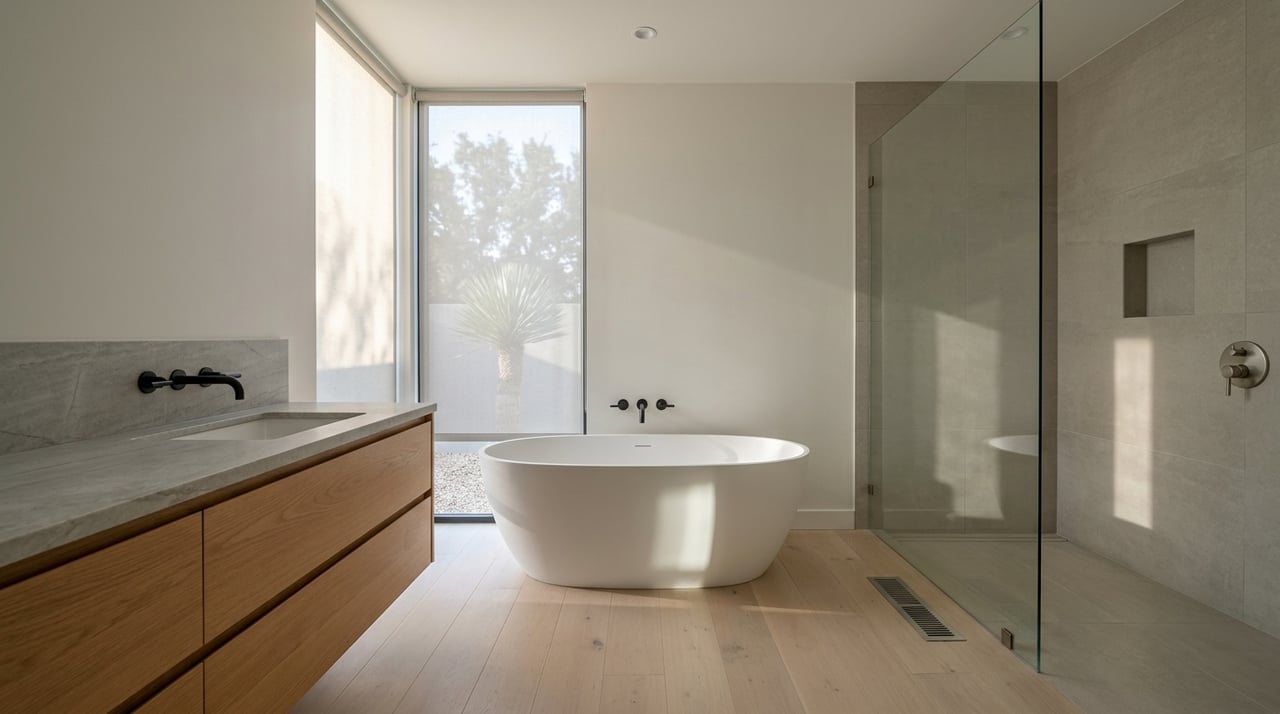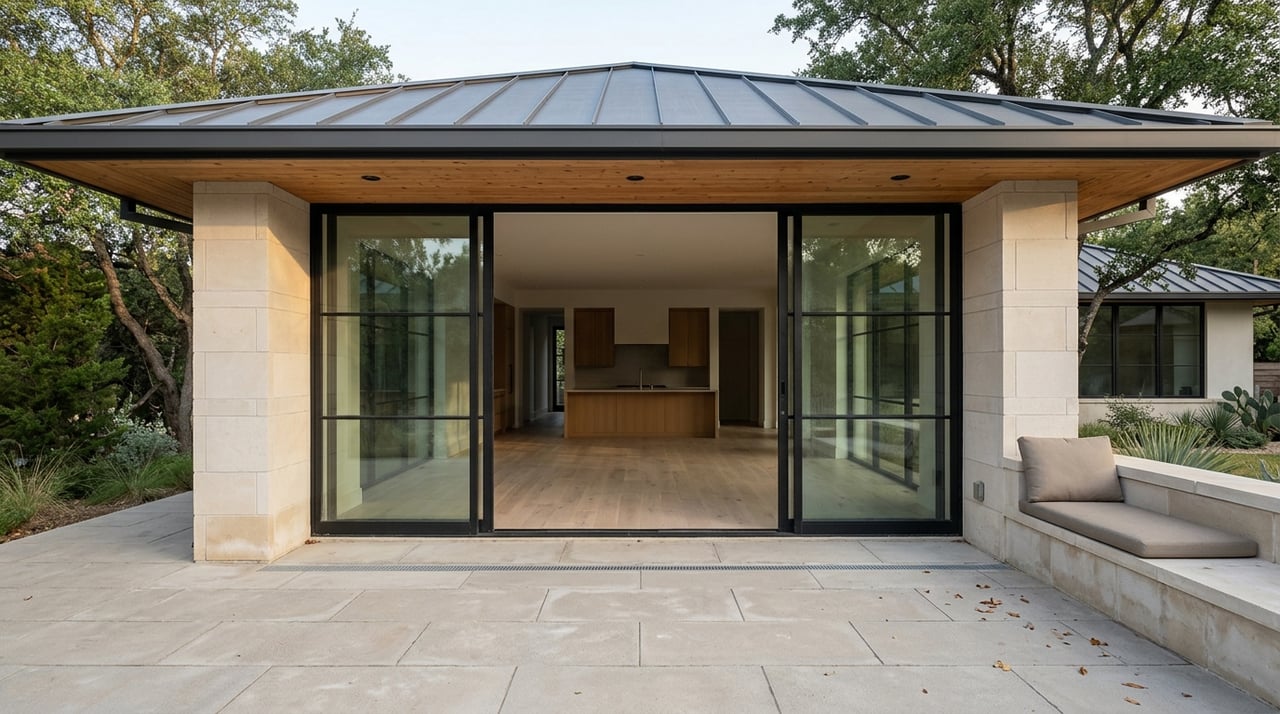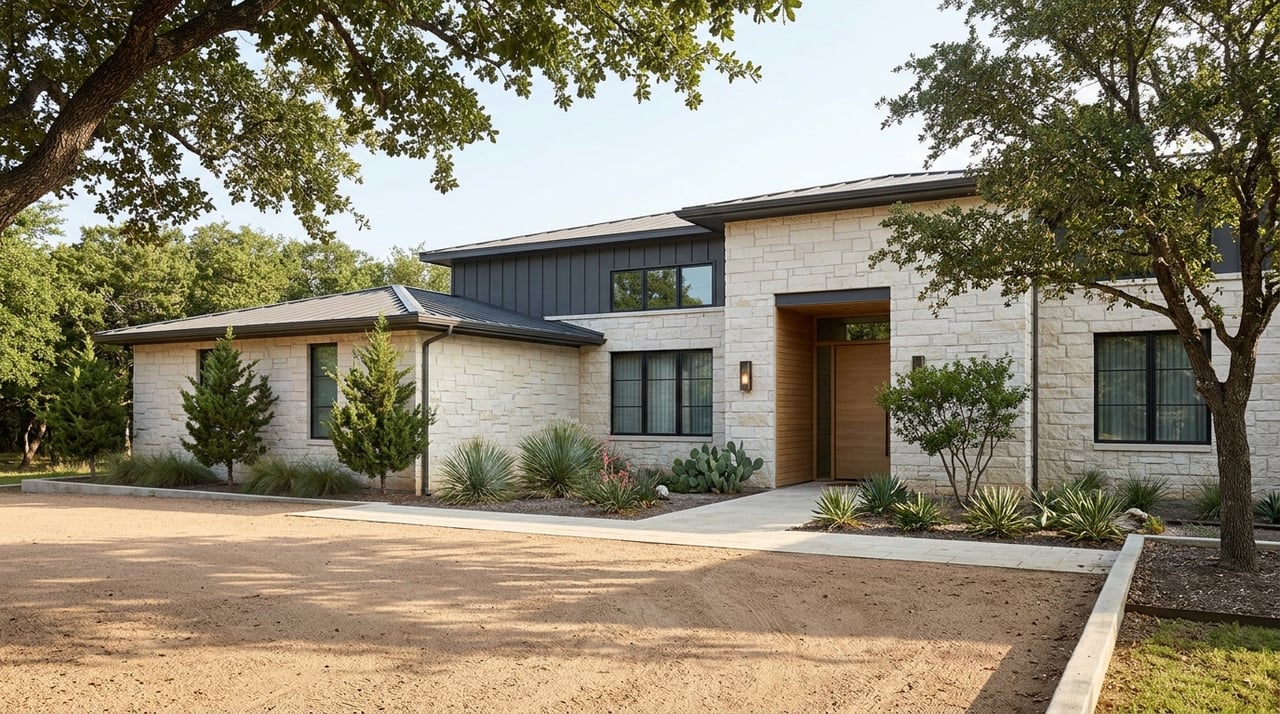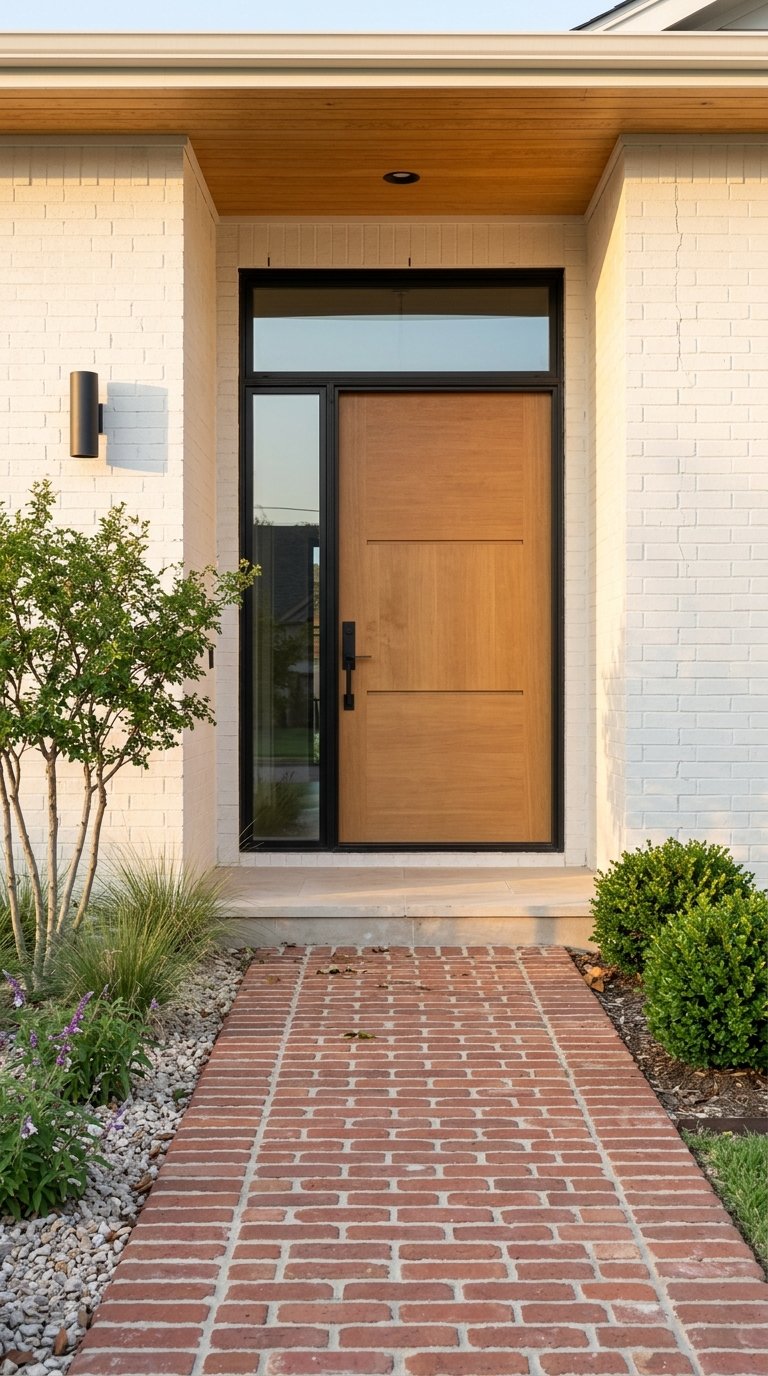
Choosing between a historic home and a new build in Georgetown is not just about style. It is about how you want to live, how much upkeep you want to manage, and how much flexibility you want when it comes to changes. If you are weighing charm against convenience, this guide will help you sort through the tradeoffs so you can make a smart, confident decision. Let’s dive in.
Why Georgetown Makes This Decision Unique
Georgetown has one of the most visible historic cores in the area. The Williamson County Courthouse anchors the square, and the city includes the County Courthouse Historic District, the Town Square Historic District, the Old Town Overlay, the Downtown Overlay, and several National Register districts.
That matters because in Georgetown, “historic” is not only an aesthetic label. The city requires a Certificate of Appropriateness for certain new construction and exterior changes in historic overlay districts, historic landmarks, and National Register properties, and those projects must follow the city’s design guidelines.
What You Get With a Historic Home
A historic home in Georgetown often brings details that are hard to replicate in newer construction. The city’s design guidance points to features like masonry, wood, stucco, metal exteriors, historic windows and doors, front porches, pitched roofs, and simple rectangular forms.
You may also find older neighborhood patterns that feel distinct from newer subdivisions. Detached or rear garages, porch-oriented facades, and mature streetscapes can create a very different day-to-day experience than a recently built home.
Historic Homes Offer Strong Character
If you care about architecture, materials, and a sense of place, a historic property may feel more compelling right away. In Georgetown, the preservation framework is designed to protect not just individual homes, but the broader character of the district.
That usually appeals to buyers who want a home with visual identity and long-term charm. If front-porch living, established streets, and original details matter to you, a historic home may be the better fit.
Historic Homes Need More Hands-On Care
Historic ownership usually comes with more active maintenance. Georgetown’s guidance recommends regular roof inspections, cleaning gutters and downspouts, protecting wood from water, maintaining coatings and paint, and repairing deteriorated features in kind.
In plain terms, that often means you should expect a more thoughtful and sometimes more specialized approach to upkeep. Repairs are not always as simple as swapping in whatever material is easiest or cheapest.
Changes Are Possible, but More Regulated
You can still personalize a historic home, but there are limits. In Georgetown’s historic districts, additions and exterior alterations are expected to stay compatible with the building’s massing, scale, roof shape, materials, texture, and details.
The city’s guidelines also note that compatible contemporary design is often preferable to trying to create a false historical look. New work should be distinguishable from the original structure and ideally removable later without harming historic character.
What You Get With a New Build
A new build usually offers a different kind of value. Instead of age, patina, and original details, you are often getting improved efficiency, a more predictable maintenance path, and a layout designed for current preferences.
That can be especially appealing if you want fewer surprises in your first few years of ownership. For many buyers, that peace of mind carries real value.
New Builds Often Win on Efficiency
ENERGY STAR says certified new homes are designed and built to be at least 10% more efficient than homes built to code, with third-party verification for insulation, windows, air sealing, and HVAC systems. The Department of Energy also notes that many older homes have less insulation than homes built today.
That efficiency difference can affect your comfort as well as your utility costs. If you are comparing a true historic house with a recent build, daily performance may feel very different.
Maintenance Is Simpler, Not Zero
A newer home does not mean no maintenance. The Department of Energy still recommends regular home energy assessments, annual HVAC care, and routine checks for insulation, air sealing, and weatherstripping.
Still, newer construction tends to make maintenance feel more predictable. Systems, materials, and performance standards are often easier to evaluate upfront than they are in an older home with years of layered repairs or updates.
Personalization Depends on Location
Many buyers assume a new build automatically means total design freedom. In Georgetown, that depends on where the home sits.
A newer home outside historic overlays usually offers a cleaner path to choosing finishes and layout-related upgrades. But if the property is inside a historic overlay, landmark area, or National Register district, even new construction must fit the city’s historic design rules.
The Real Question: Character or Flexibility?
For most buyers, this choice comes down to priorities. A historic home usually delivers more architectural character and a stronger sense of place, but it often asks for more care and more respect for local review standards.
A new build usually offers better energy performance, lower short-term maintenance uncertainty, and a simpler path for personalization. Neither option is automatically better. The right answer depends on how you want your home to feel and what level of constraint you are willing to accept.
A Simple Georgetown Decision Framework
If you are torn between the two, use this quick framework.
Lean Historic If You Value:
- Architectural character
- Original materials and details
- Front porches and older neighborhood patterns
- A mature streetscape
- Long-term charm over convenience
- A willingness to handle more specialized upkeep
- Comfort with city review for some exterior changes
Lean New Build If You Value:
- Energy performance
- More predictable short-term maintenance
- Modern systems and insulation
- A simpler ownership experience
- More flexibility with finishes and upgrades
- A layout designed around current living patterns
Questions to Ask Before You Decide
Before you choose, it helps to look beyond finishes and staging. In Georgetown, designation and location can matter as much as age.
Ask questions like these:
- Is the home in a historic overlay, landmark area, or National Register district?
- Would planned exterior changes require a Certificate of Appropriateness?
- Are key materials original, maintained, or previously replaced?
- How much ongoing upkeep will the exterior need?
- How important are efficiency and utility performance to you?
- Do you want design freedom, or do you prefer a preserved architectural setting?
Why Local Guidance Matters in Georgetown
This is one of those decisions where surface appeal only tells part of the story. Two homes may both look charming from the street, but one may offer much more flexibility than the other depending on its designation and condition.
That is where careful property evaluation matters. A buyer who understands structure, materials, livability, and renovation feasibility can make a much cleaner decision between a home that simply looks appealing and one that truly fits their goals.
Whether you are drawn to Georgetown’s historic charm or the comfort of a newer build, the best choice is the one that aligns with your priorities, your tolerance for upkeep, and your plans for the property over time. If you want a calm, informed perspective on how a home was built, how it will live, and what changes may be realistic, Allen Auth can help you evaluate the options with clarity.
FAQs
What makes a home historic in Georgetown, TX?
- In Georgetown, a home may be affected by historic rules if it is located in a historic overlay district, is designated as a historic landmark, or is part of a National Register district.
Do exterior changes on historic homes in Georgetown require approval?
- Yes, certain exterior changes and new construction in Georgetown historic overlay districts, historic landmarks, and National Register properties may require a Certificate of Appropriateness and must follow the city’s design guidelines.
Are historic homes in Georgetown harder to maintain than new builds?
- Often, yes. Georgetown’s guidance calls for regular inspections, moisture protection, gutter care, paint and coating maintenance, and repairs that match existing features as closely as possible.
Can you add onto a historic home in Georgetown?
- Yes, but additions should remain compatible with the original structure and the surrounding district, and they should avoid creating a false historical appearance.
Are new builds in Georgetown always easier to customize?
- Not always. New homes outside historic overlays usually offer more flexibility, but new construction inside historic districts still needs to meet Georgetown’s design rules.
Which is better in Georgetown: a historic home or a new build?
- The better choice depends on your priorities. Historic homes usually offer more character and a stronger sense of place, while new builds often offer better efficiency, more predictable maintenance, and a simpler path to personalization.